
Mr. Tippecanoe lifts the veil On Tipp City’s hidden history
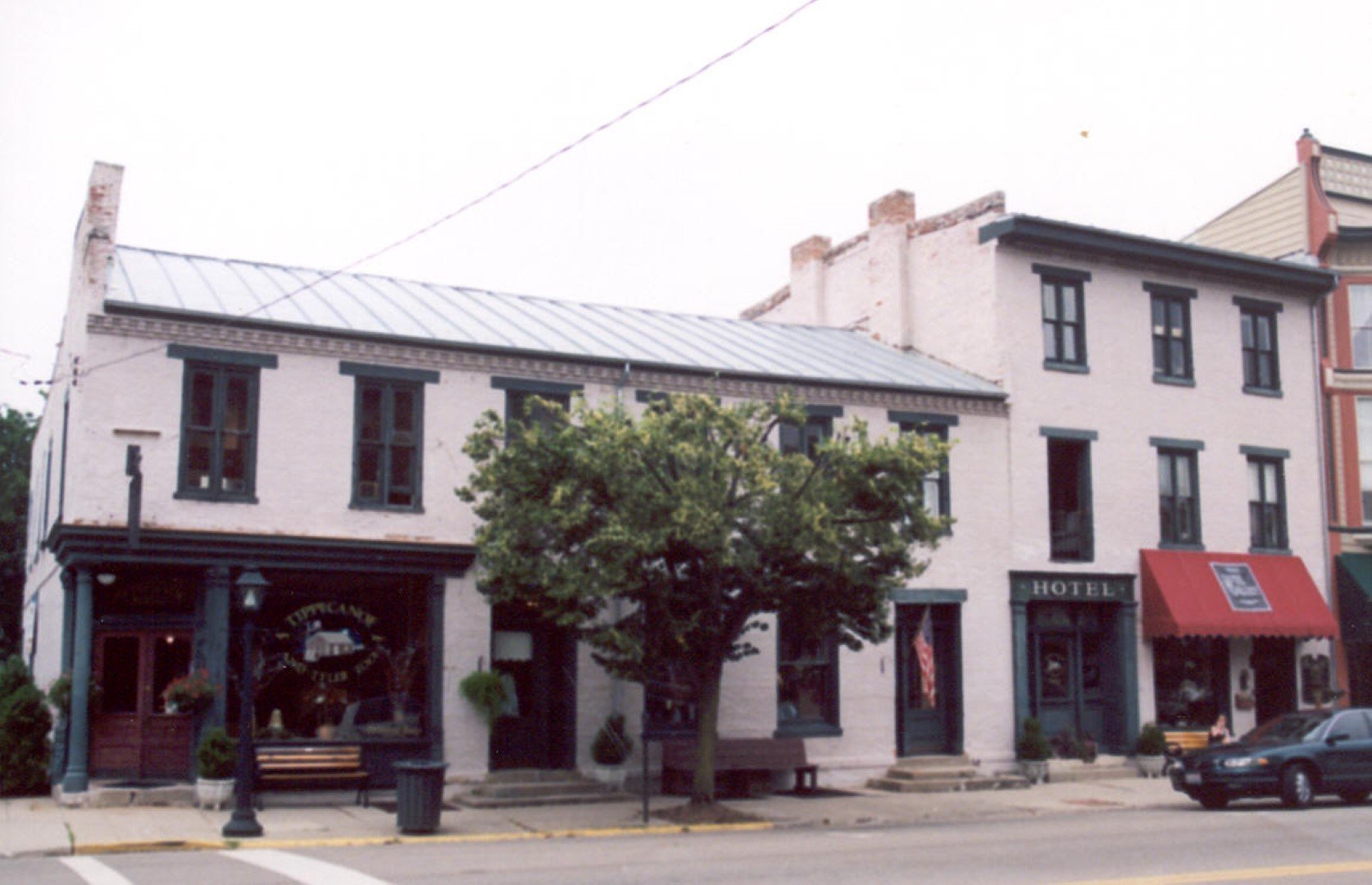
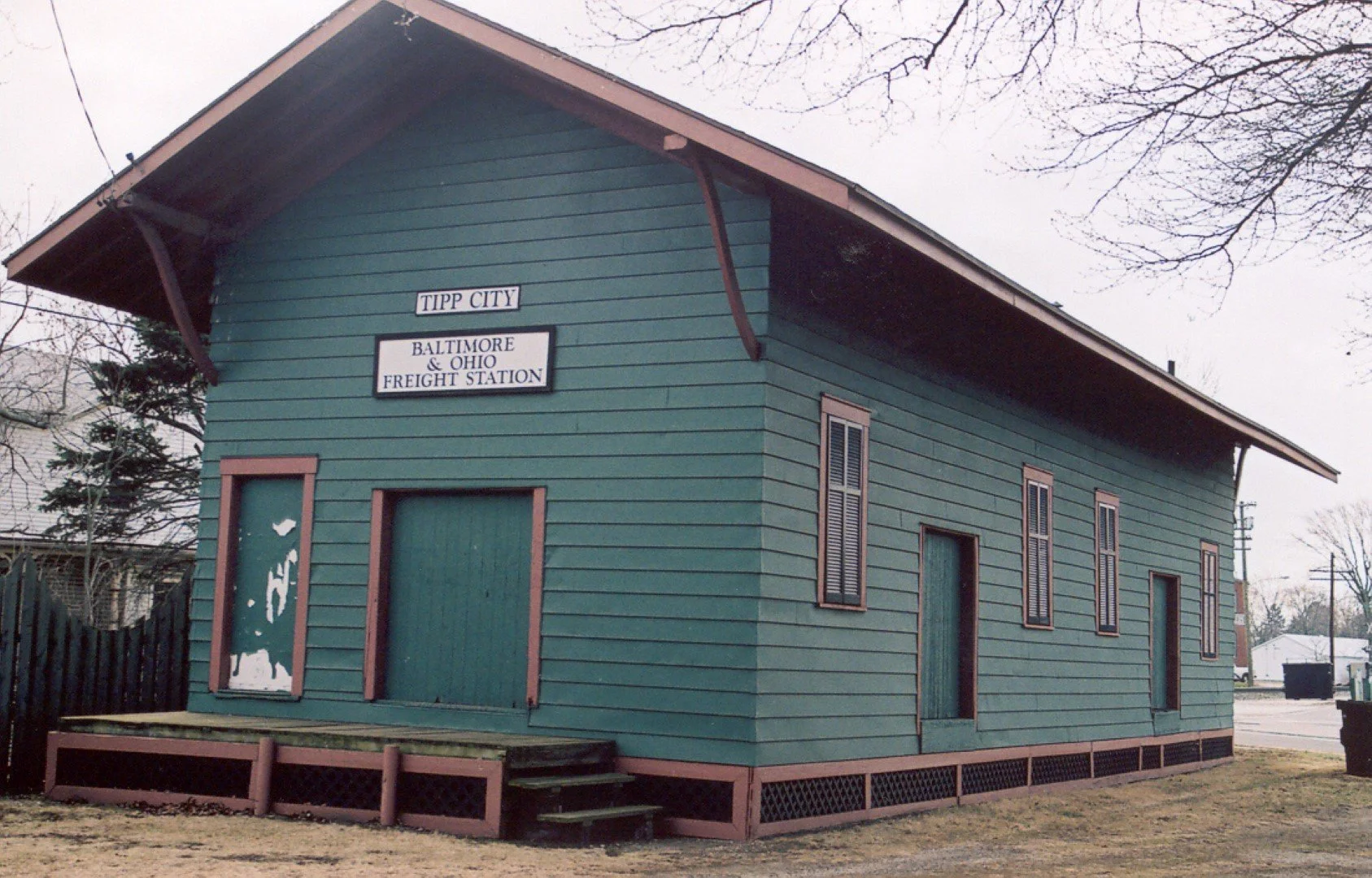
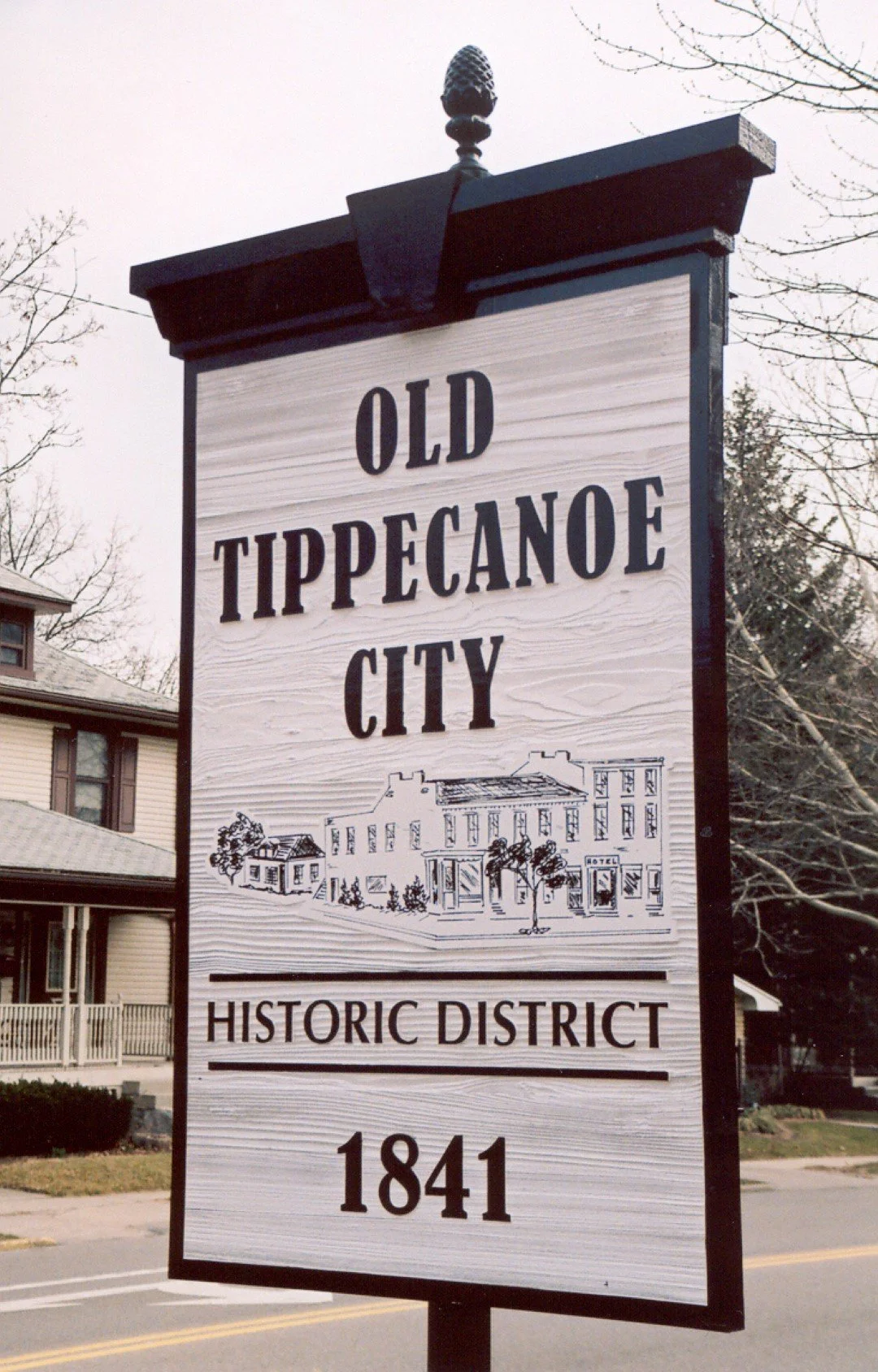
A new episode of the Downtown Lowdown turned into a walking tour in words, as local historian Gordon “Mr. Tippecanoe” Honeyman guided listeners through the origins of the Tippecanoe Historical Society museum and the stories behind some of downtown’s most overlooked buildings. Hosted by Downtown Tipp City Partnership Executive Director Tasha Weaver, the conversation blended preservation wins, missed opportunities, and a reminder that the town’s best history is often hiding in plain sight on its brick walls and behind modern siding.
Historic Museum In An Old Post Office
Honeyman explained that the Tippecanoe Historical Society museum occupies Tipp’s original post office building at North Third and Walnut, a 1970s rescue made possible when local preservationists Sue Cook and Betty Eickhoff personally signed papers to buy the vacant federal property. The women took on the risk that, if fundraising failed, they would own the building themselves—an act Honeyman credits with giving the town a permanent home for its artifacts and archives.
Today, the museum is open Saturdays from 10 a.m. to 2 p.m. and by appointment during the week, with volunteers happy to unlock the doors for researchers or small groups who want the place to themselves. Weaver read out the contact information on air—937‑667‑4092 and tippecanoehistoricalsociety.org—calling it “breaking news” for residents who still tell surveys they wish Tipp City had a museum downtown.
Canal-Era Wealth And a Furniture Giant
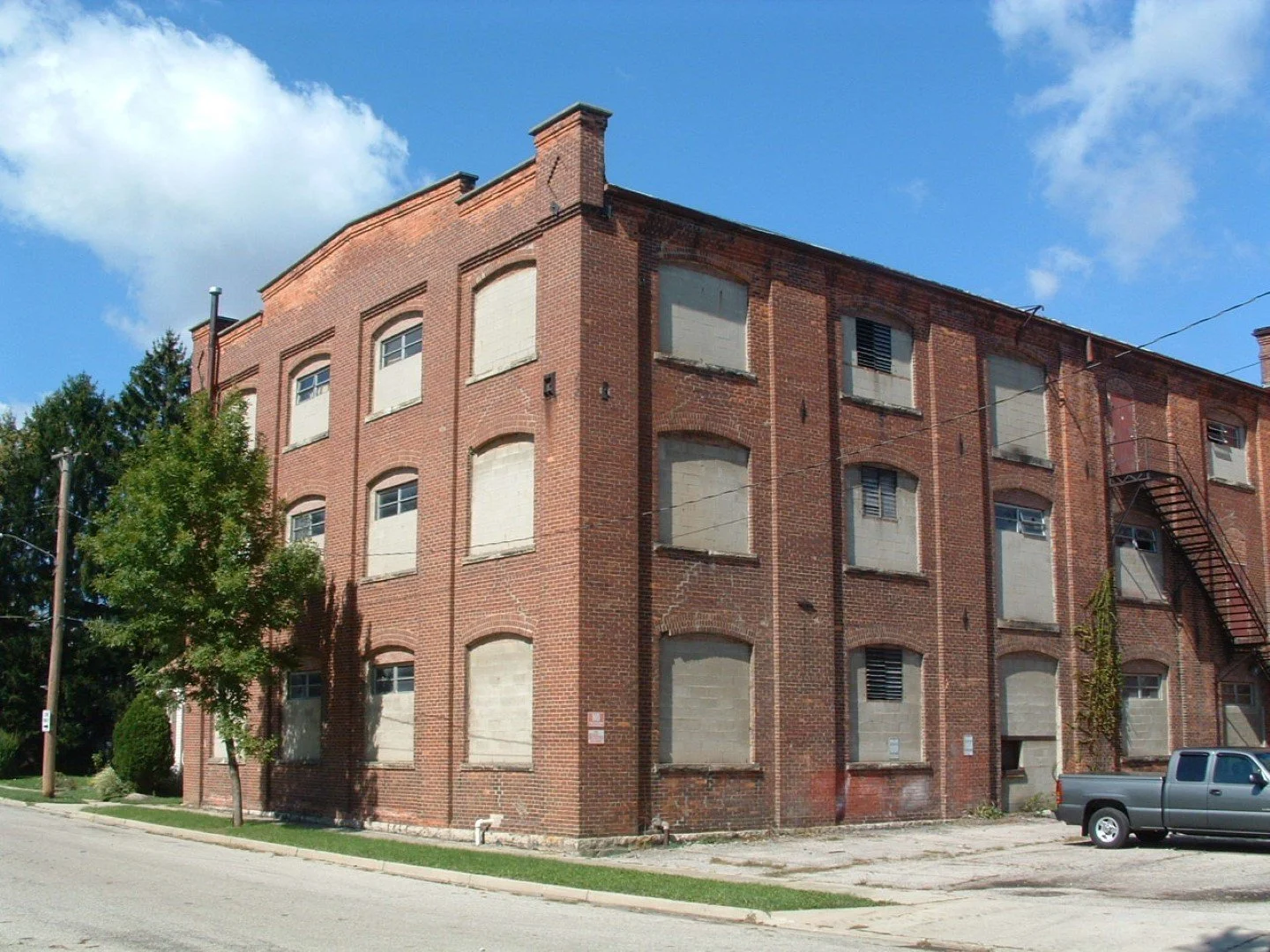
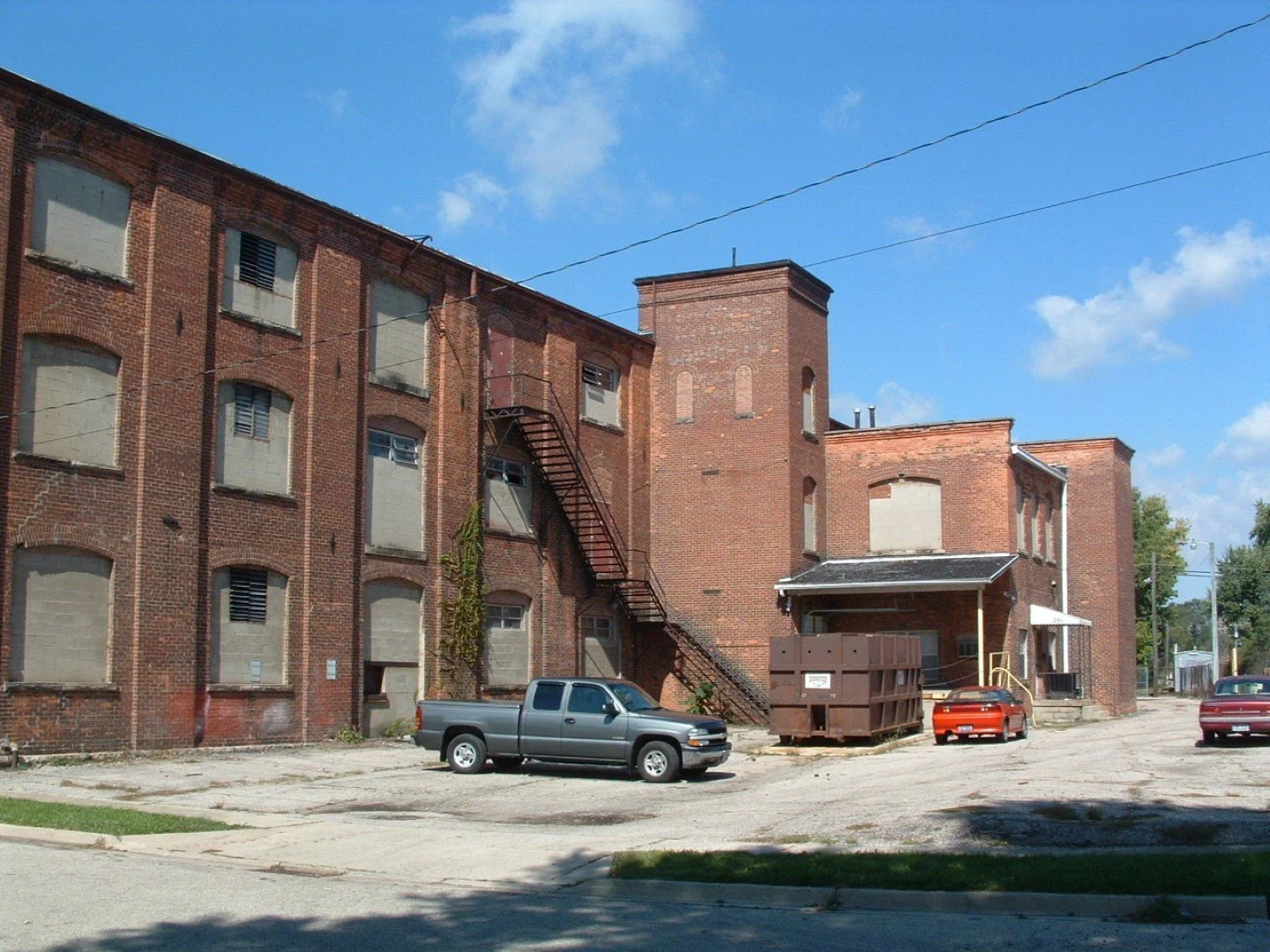
Much of Tipp’s architectural richness, Honeyman noted, traces back to its early prosperity as a canal town, when firms like Tippecanoe Furniture Company, Garver Furniture, and Spring Hill Nurseries generated significant local wealth. Many of those industrial buildings still stand, including the massive former Tippecanoe Furniture plant straddling the railroad tracks between Walnut and Plum, where “Tippecanoe Furniture Company” is still faintly painted high on the brick if you view it from Sixth Street.
That factory once produced famous Tippecanoe kitchen cabinets with built-in flour bins and sifters—items the museum still displays—which were shipped far beyond Miami County. The building later saw use as storage for a Piqua underwear company, and Weaver and co-host Greg Enslen joked about its potential as future condos, retail, or a much-needed downtown event center.
Downtown’s Rebirth: Gallery, Café And a “Perfect Size” Core
Honeyman recalled that, like many small towns, downtown Tipp was “literally dying” 30–40 years ago, with only a few stalwarts such as Sam & Ethel’s and Pattie’s still drawing crowds. He credits two mid‑1970s moves with altering that trajectory: Steve and Sally Watson’s purchase of the historic hotel to create the Hotel Gallery and pottery shop, and Betty Peachey’s launch of the Coldwater Café across Third Street after surviving a serious car crash.
Those two businesses quickly became anchors, attracting antique vendors and diners from across the region and helping to reestablish downtown Tipp as a destination. Weaver contrasted Tipp’s compact, fully-leased Main Street—where there is now a waiting list for storefronts—with larger, more spread‑out downtowns that struggle to fill empty spaces, calling Tipp’s walkable scale and sense of safety key parts of its appeal.
Hidden Brickwork And Preservation Battles
The conversation also spotlighted less visible gems, including a brick industrial building just south of the Eagles lodge on Main that is currently wrapped in siding but, according to museum photos, features exceptional original masonry. Honeyman recounted serving on Tipp’s Architectural Review Board in the early 1970s, when the owner sought permission to side the structure; the board denied the request, but the owner installed siding anyway, and the city declined to force its removal.
Similar stories surfaced around the former livery stable behind the hotel, once used to board horses and carriages and now sheathed in modern materials that conceal its historic barn doors and hay loft features. Honeyman said he now hopes the cladding at least protects the underlying brick until some future owner strips it away, revealing what he calls “absolutely gorgeous” craftsmanship for a new generation.
Parking, Expansion, and Reusing Old Houses
On the perennial topic of downtown parking, Honeyman urged residents to rethink expectations, noting that shoppers routinely walk the equivalent of four or five city blocks from their cars into the Dayton Mall on busy days. Weaver added that Broadway’s free public lot is frequently underused even as people complain about parking shortages on Main, suggesting that convenience, not capacity, drives most complaints.
Both guests favored reusing historic homes and commercial structures near the core rather than tearing them down for more surface lots, pointing to examples such as Tipp Monroe Community Services, The Tipp Roller Mill, and house-turned-businesses like Tippecanoe Weaver’s shop. Weaver said a few fringe properties could one day make sense for commercial conversion or partnership use, but she sees the town’s intact residential fabric and brick streetscapes as part of what makes downtown feel authentic and livable.
A Living Classroom For Local History
Throughout the episode, Honeyman repeatedly invited listeners to view the museum as a “little gem of history” where they can see old photos of uncovered facades, founders’ homes, and lost landmarks such as the original opera house and early Main Street storefronts. He emphasized that many of the buildings people now drive past without a second look once housed railroad bars, club rooms like the Thistle Club, and other social hubs whose stories survive primarily in the Historical Society’s archives.
Weaver agreed that the museum and downtown itself function as a kind of open-air classroom, especially valuable in an era when ephemeral social media posts rarely provide the durable public record that old newspapers and photographs once did. As Tipp continues to grow and attract new businesses, both she and Honeyman argued that knowing the town’s built history—and occasionally peeling back layers of aluminum and vinyl to reveal the brick beneath—will be essential to keeping its character intact.
Interested in becoming a Site Sponsor? Your ad will run at the bottom of EVERY NEWS STORY. Click HERE for more details.