
The Police Car That Became an American Icon
The Crown Victoria: The Police Car That Became an American Icon
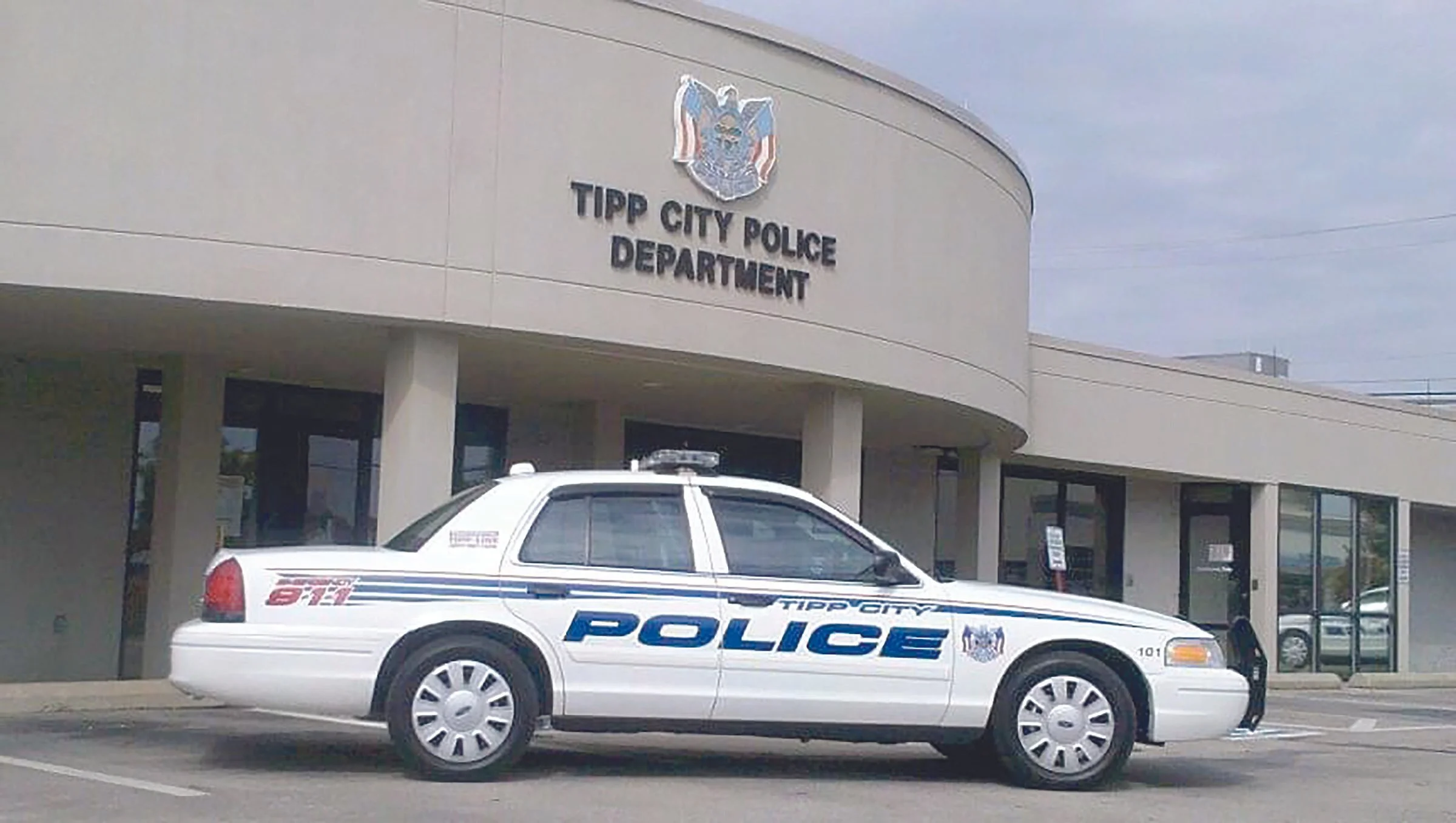
There was a time when seeing a Ford Crown Victoria sitting along an Ohio roadway meant one thing: slow down and check your speed.
For generations of motorists, the big Ford sedan became almost synonymous with American law enforcement. From small-town police departments to county sheriff’s offices and state highway patrols, the Crown Victoria Police Interceptor was one of the most recognizable police vehicles ever produced.
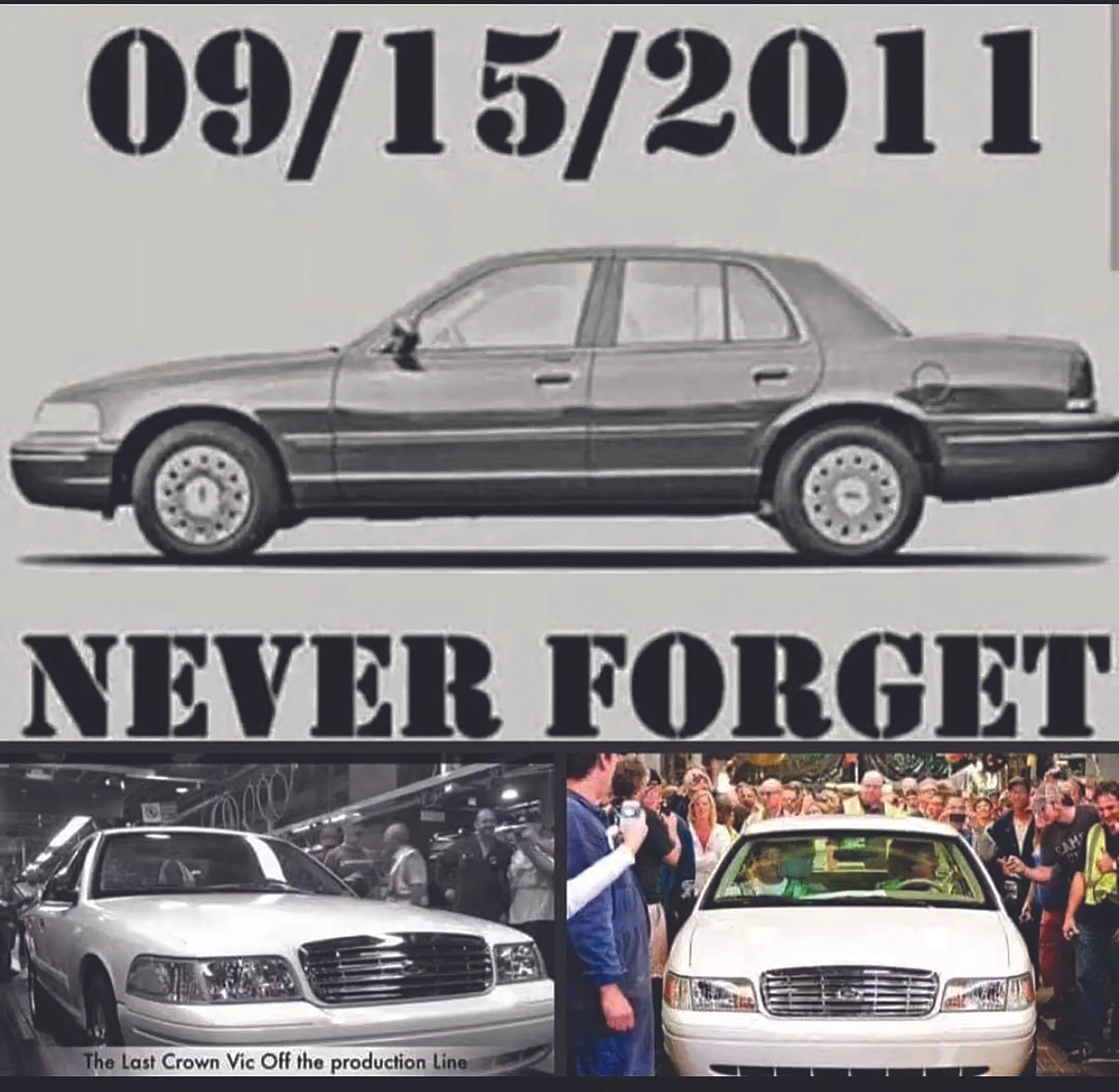
This year marks an important anniversary for the car. On September 15, 2011, the final Ford Crown Victoria rolled off the assembly line at Ford’s St. Thomas Assembly Plant in Talbotville, Ontario, Canada. That car was not a police cruiser; it was a Crown Victoria destined for export to Saudi Arabia. It was also the final vehicle ever built at the St. Thomas plant before it closed.
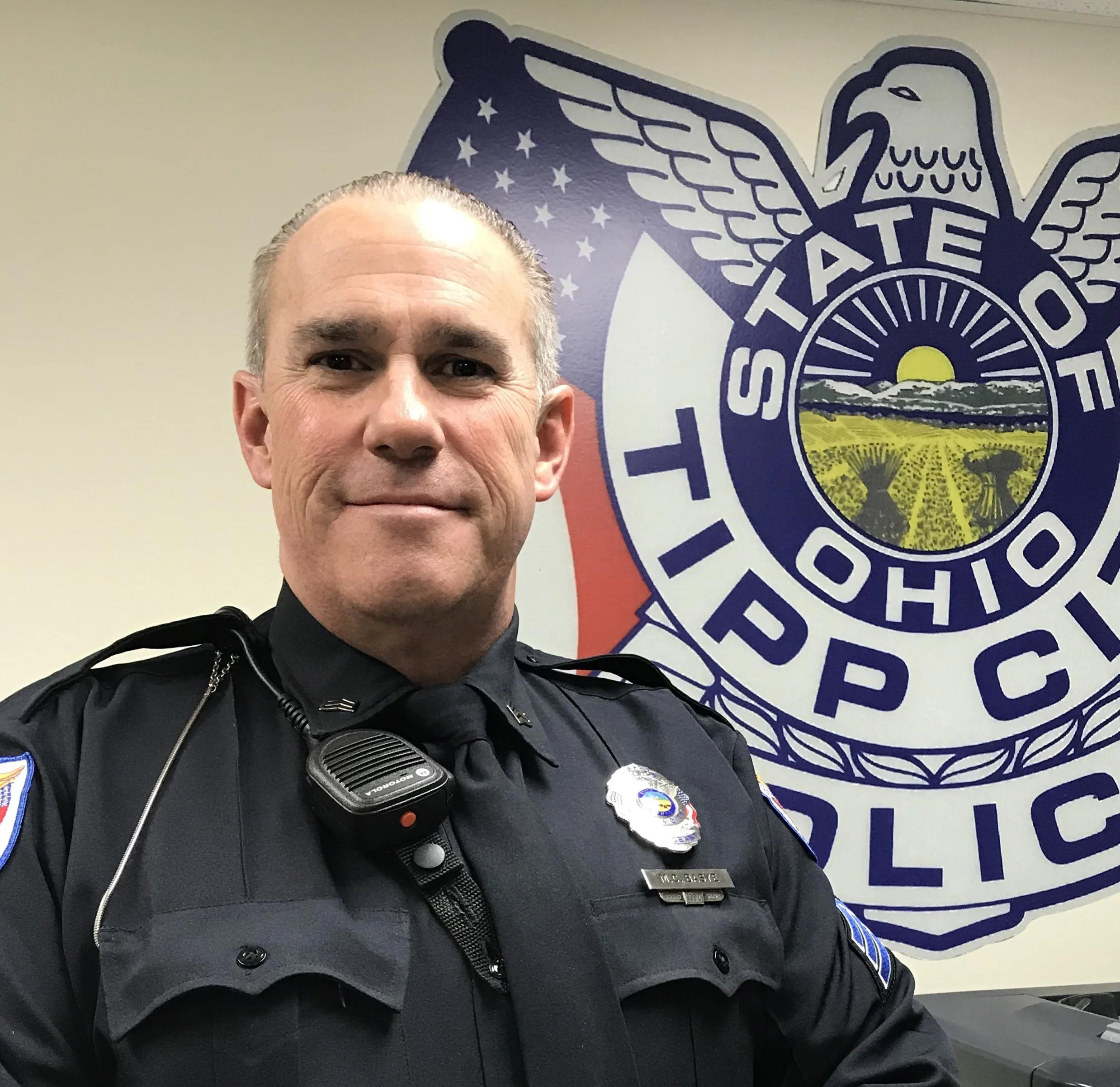
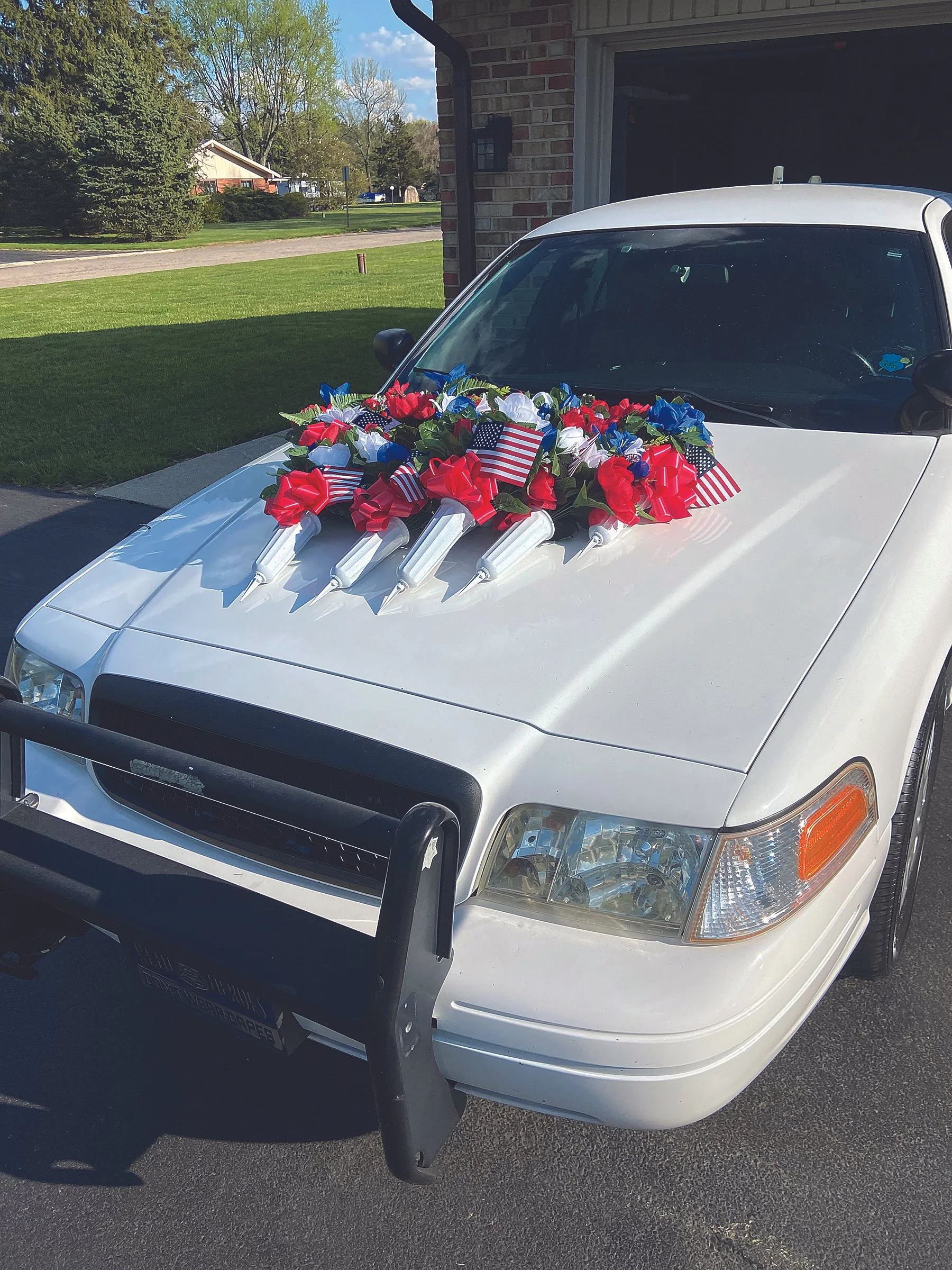
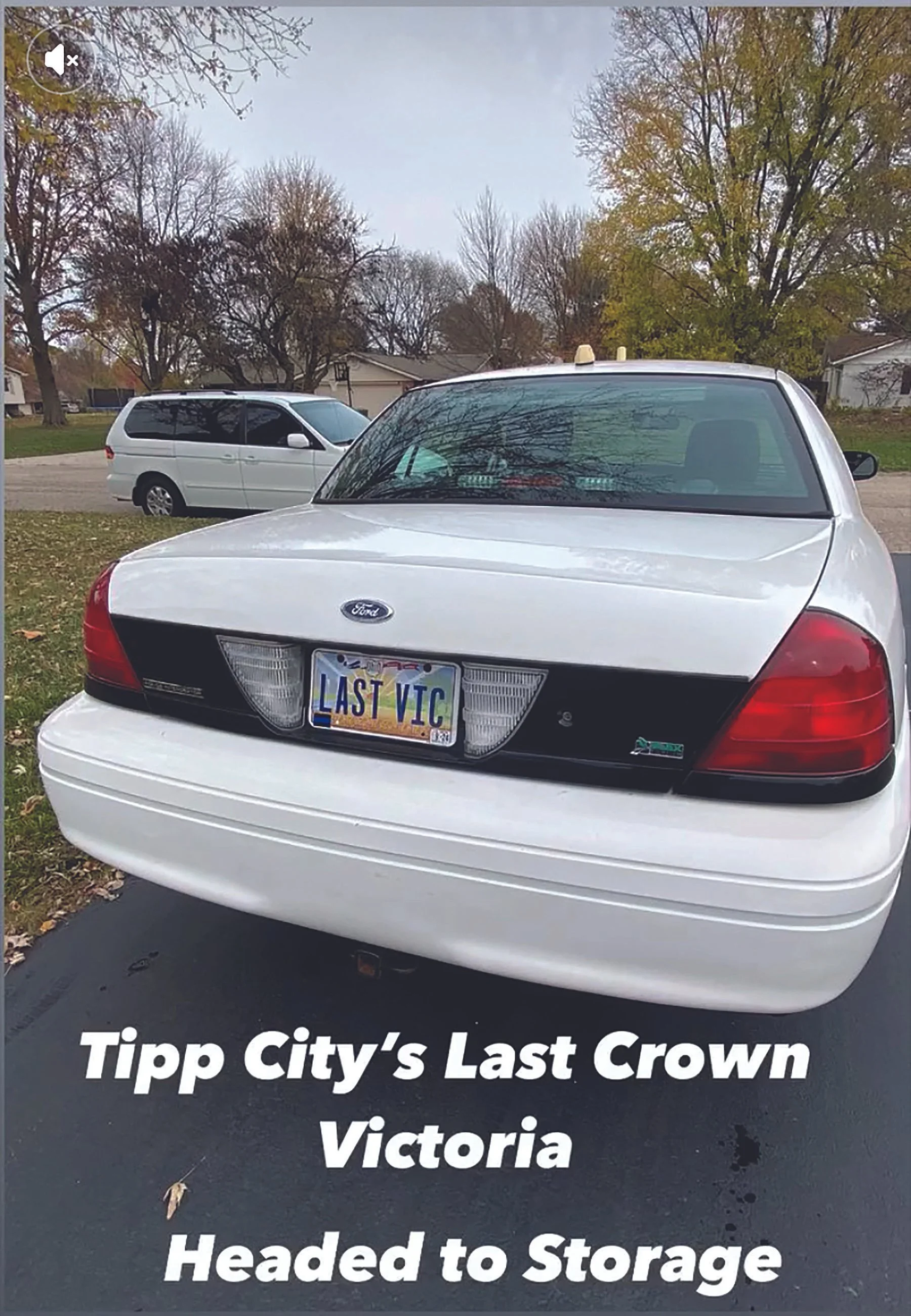
For me, the anniversary has a little more meaning because I currently own Tipp City’s last Crown Victoria.
A long police-car heritage:
The Crown Victoria’s police-car story actually goes back farther than the name itself. Ford has been building specialized police vehicles for decades. Ford began offering a factory “Police Package” in 1950, and the company had a long line of full-size police cars before the Crown Victoria arrived. The LTD Crown Victoria served law enforcement during the 1980s, including versions equipped with heavy-duty components specifically intended for police service.
Then came 1992.
Ford redesigned its full-size sedan and made the Crown Victoria a separate model. The police version was designated the P71, and it was built on Ford’s body-on-frame Panther platform. The first Crown Victoria police vehicles were produced at St. Thomas, with an early group delivered to the London Police Service in Ontario.
The formula proved remarkably successful: a full-size rear-wheel-drive sedan, V8 power, a strong frame, spacious interior, and components engineered to withstand the punishment of police service.
In 1999, Ford officially began using the name Crown Victoria Police Interceptor. Police versions received numerous heavy-duty features, including upgraded suspension and brakes, a larger alternator, police-specific engine calibration, different gearing, and an external engine oil cooler.
Those features mattered because a police car is not operated like an ordinary family sedan. A cruiser might spend hours idling, carry several hundred pounds of equipment and officers, and then be called upon to accelerate, brake, and maneuver aggressively.
The Crown Vic era:
By the late 1990s and early 2000s, the Crown Victoria had become a fixture in American policing. Ford says that in 1998, the Crown Victoria police package accounted for 85 percent of police pursuit vehicle sales in the United States and Canada.
The car also developed a reputation among officers and mechanics for being relatively straightforward to maintain. Its traditional body-on-frame construction was especially well suited to fleet service.
When Chevrolet discontinued its full-size Caprice police car after 1996, the Crown Victoria became even more dominant in police fleets. For many Americans, the black-and-white Crown Victoria in the rearview mirror became part of everyday life.
Even after Ford stopped selling the Crown Victoria to the general public in 2008, it continued as the Police Interceptor.
But eventually, the end arrived.
Ford stopped accepting Crown Victoria Police Interceptor orders in April 2011. The final Police Interceptor was produced in August 2011 and went to the Kansas Highway Patrol.
Then, on September 15, 2011, the final Crown Victoria left the St. Thomas assembly line.
At 12:25 p.m., a white Crown Victoria became the last Panther-platform vehicle—and the last full-size, body-on-frame sedan—built there.
Ford eventually replaced the Crown Victoria in police service with the Taurus-based Police Interceptor Sedan and the Explorer-based Police Interceptor Utility.
But for those of us who remember the Crown Vic patrolling Tipp City and communities throughout Ohio, the car represents something more than an old police cruiser.
It represents an era.
And every time I look at Tipp City’s last Crown Victoria, I am reminded that I own a small piece of that era—and a piece of local law-enforcement history that will never be built again.
Interested in becoming a Site Sponsor? Your ad will run at the bottom of EVERY NEWS STORY. Click HERE for more details.