25th Anniversary of September 11
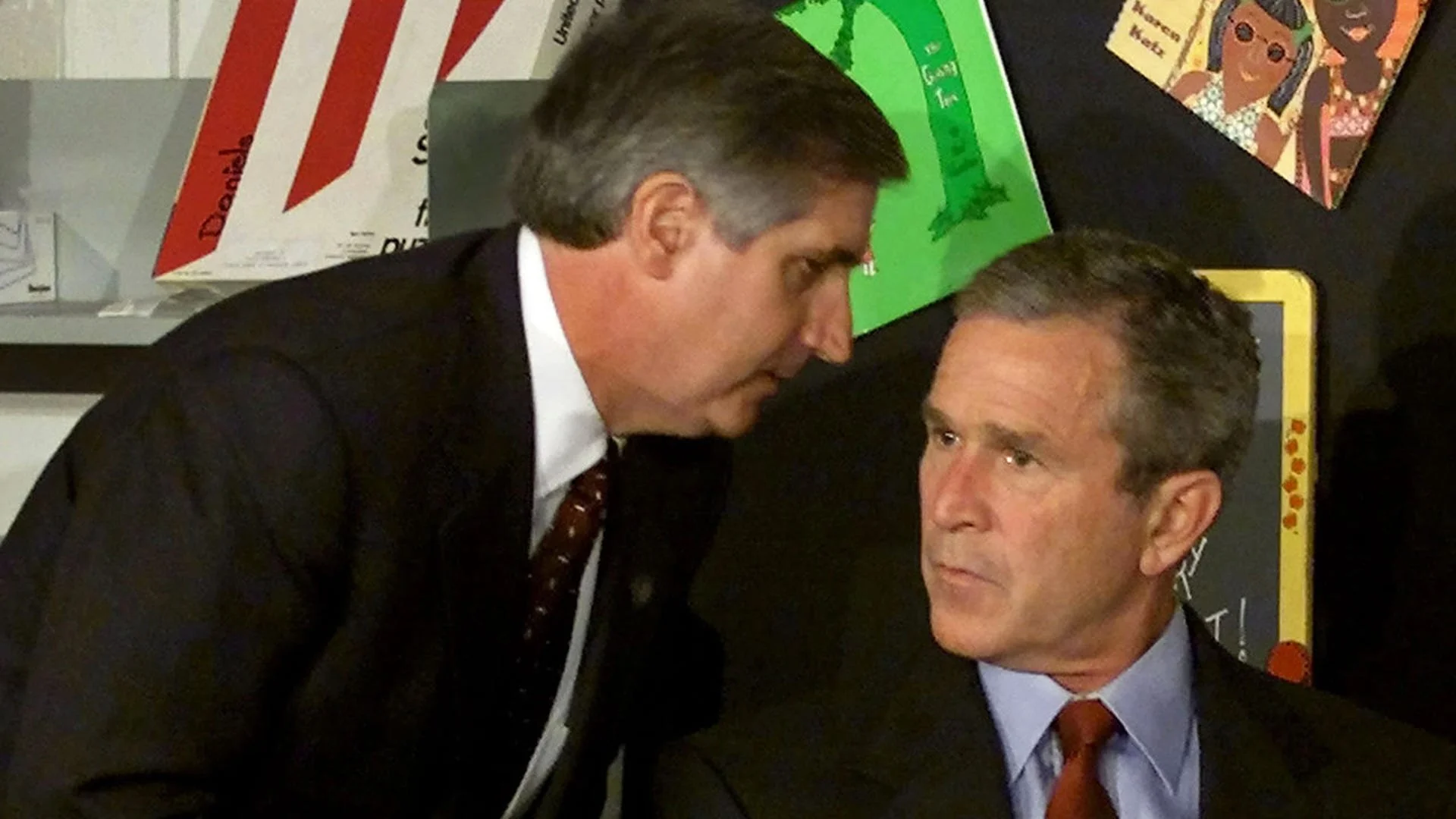
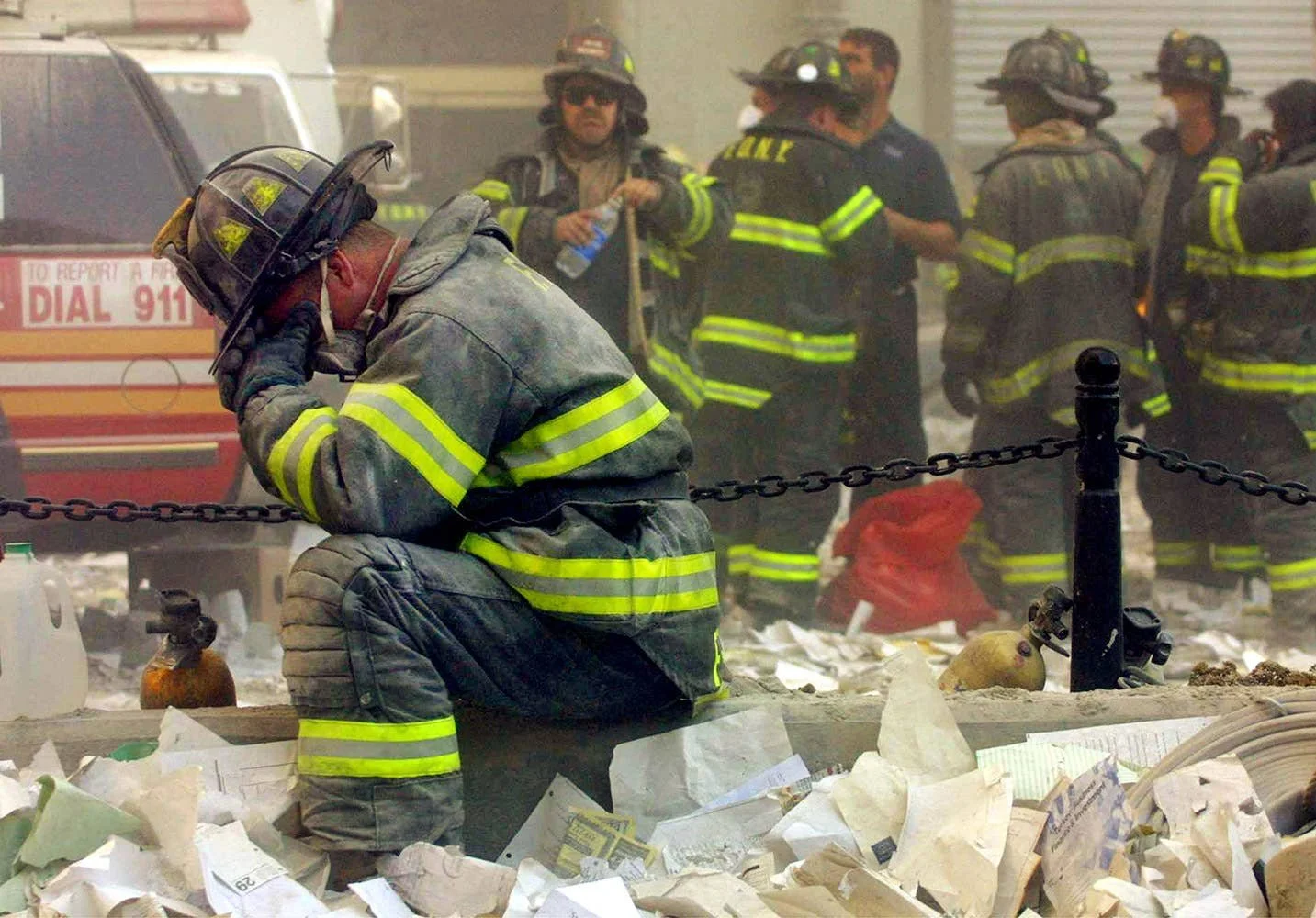
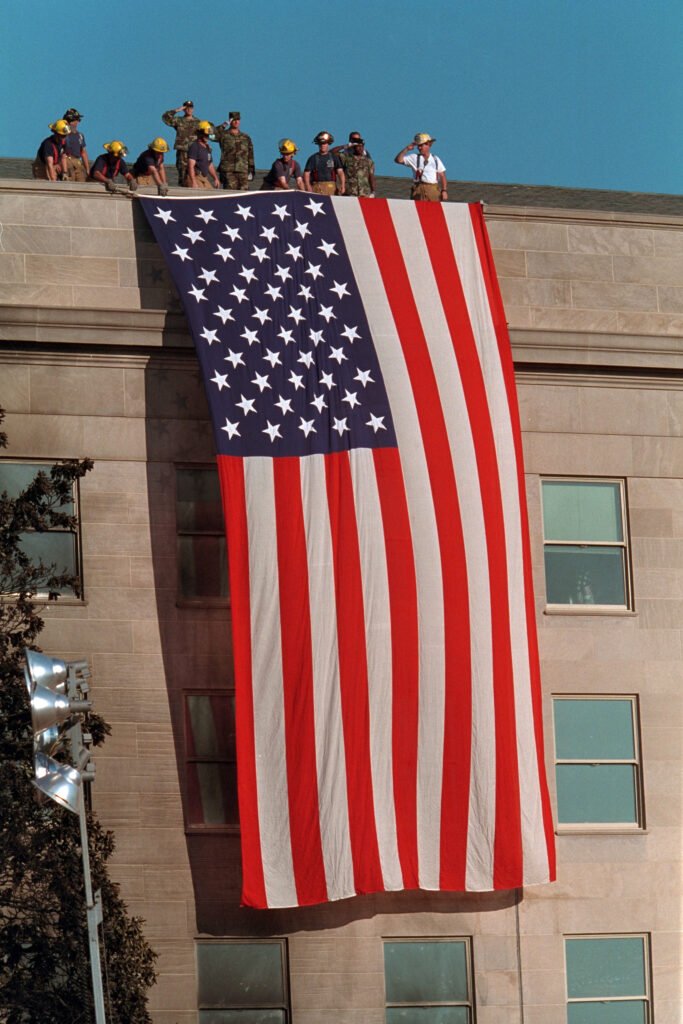

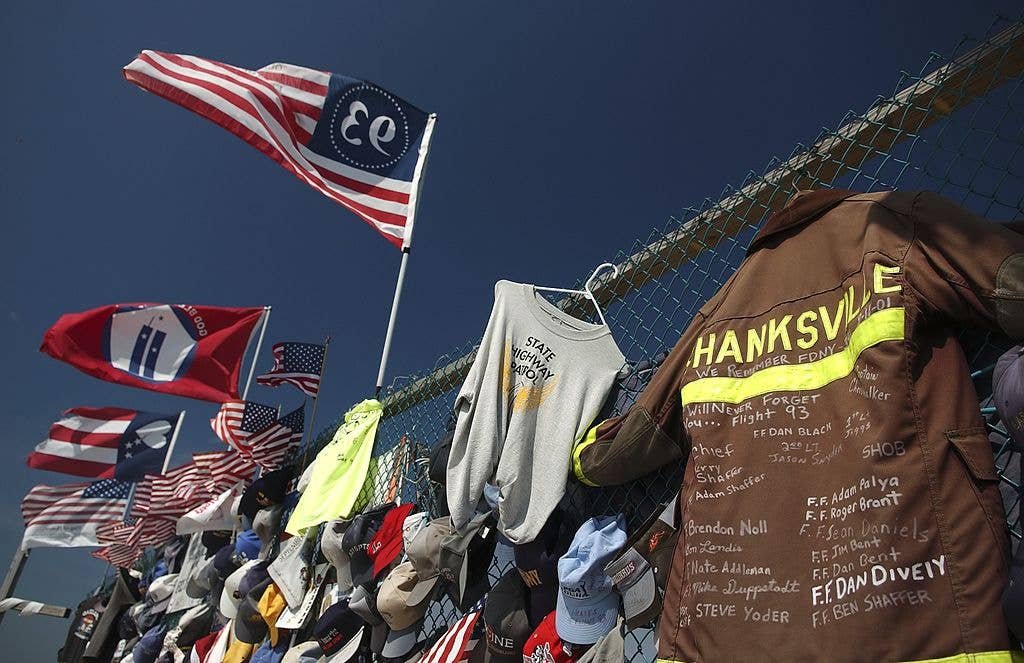
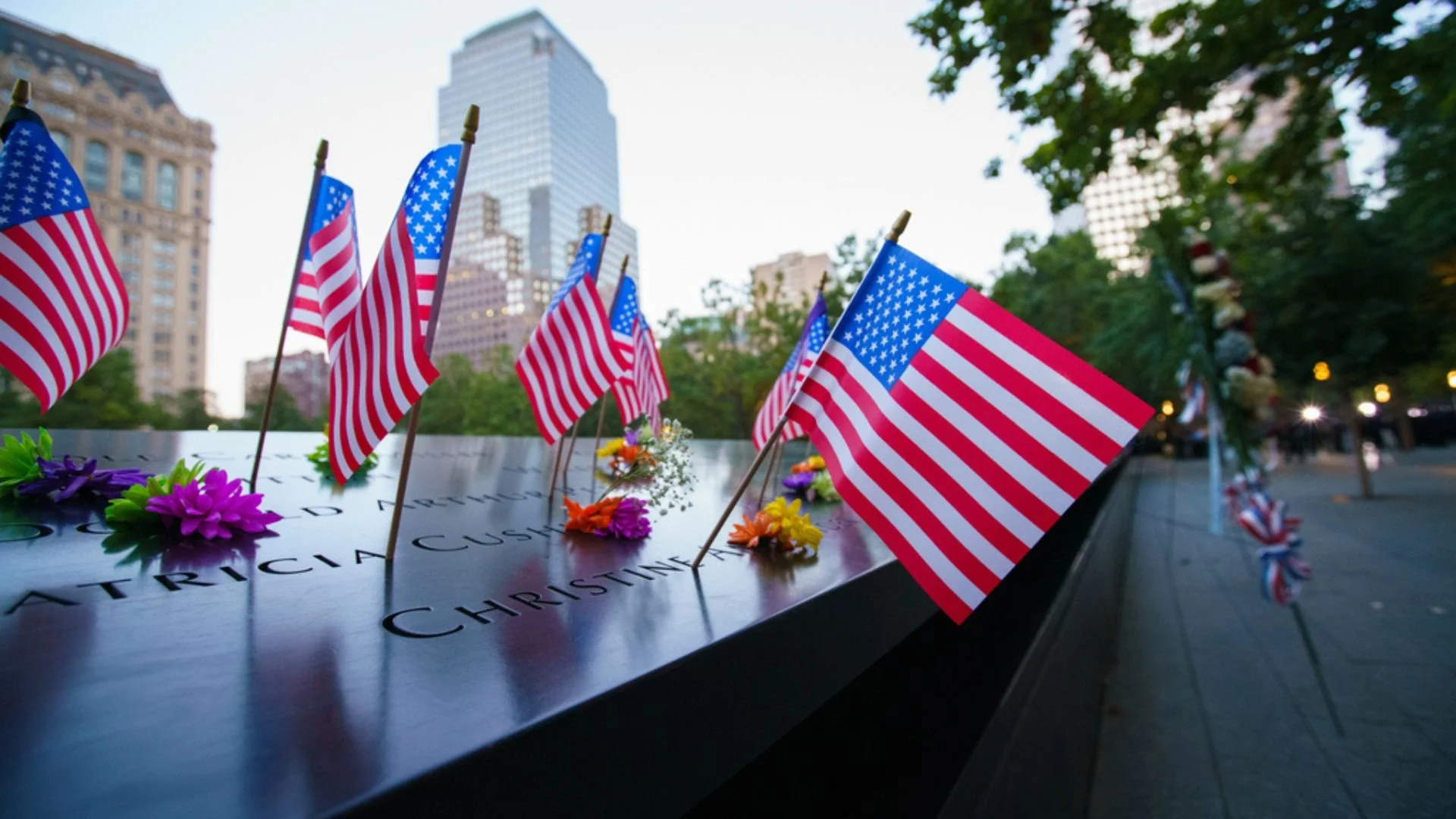
Twenty‑five years after September 11, 2001, the event remains one of the most consequential moments in modern history — shaping U.S. policy, global security, public life, and even everyday routines. The attacks were carried out by Al‑Qaeda, a violent extremist organization responsible for mass loss of life and widespread harm.
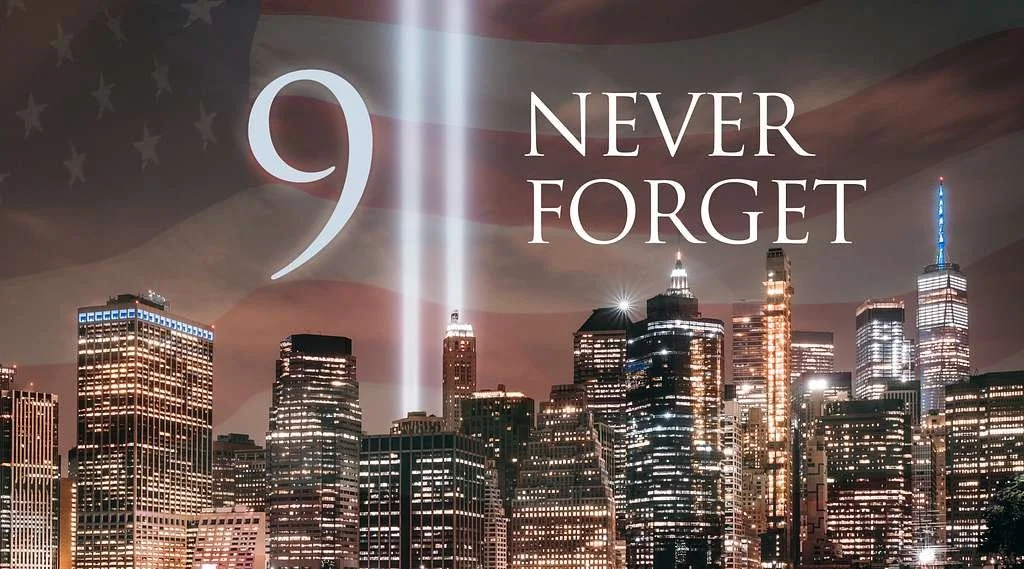
The U.S. is marking the anniversary with ceremonies, bell tolls, memorial readings, and community events across the country — all centered on the promise to never forget the nearly 3,000 lives lost and the profound impact of that day.
What 9/11 Changed
1. Security Became a Daily Reality
Airport security transformed almost overnight. Before 9/11, anyone could walk to the gate. Afterward, the Transportation Security Administration (TSA) was created, passenger screening intensified, and restrictions on liquids, shoes, and electronics became standard. Metal detectors and bag checks spread to stadiums, government buildings, and transit hubs.
Even today, that heightened security mindset is simply “normal.”
2. The War on Terror Redefined U.S. Foreign Policy
The U.S. launched a global campaign against terrorism, beginning with Afghanistan in 2001 and later Iraq in 2003. These conflicts shaped geopolitics for decades, influencing military strategy, alliances, and public opinion. Scholars note that 9/11 marked a pivot toward sustained U.S. intervention in the Middle East and continues to inform current conflicts, including the 2026 Iran War.
3. A Shift in Public Trust and Politics
Immediately after the attacks, Americans rallied around national leadership. But over the long arc of 25 years, political scientists observe a decline in trust in government and a reshaping of executive power — with presidents exercising broader authority in the name of national security.
4. Fire, Building, and Emergency Safety Standards Evolved
The failures exposed on 9/11 led to major reforms in:
High‑rise building safety
Emergency planning and evacuation science
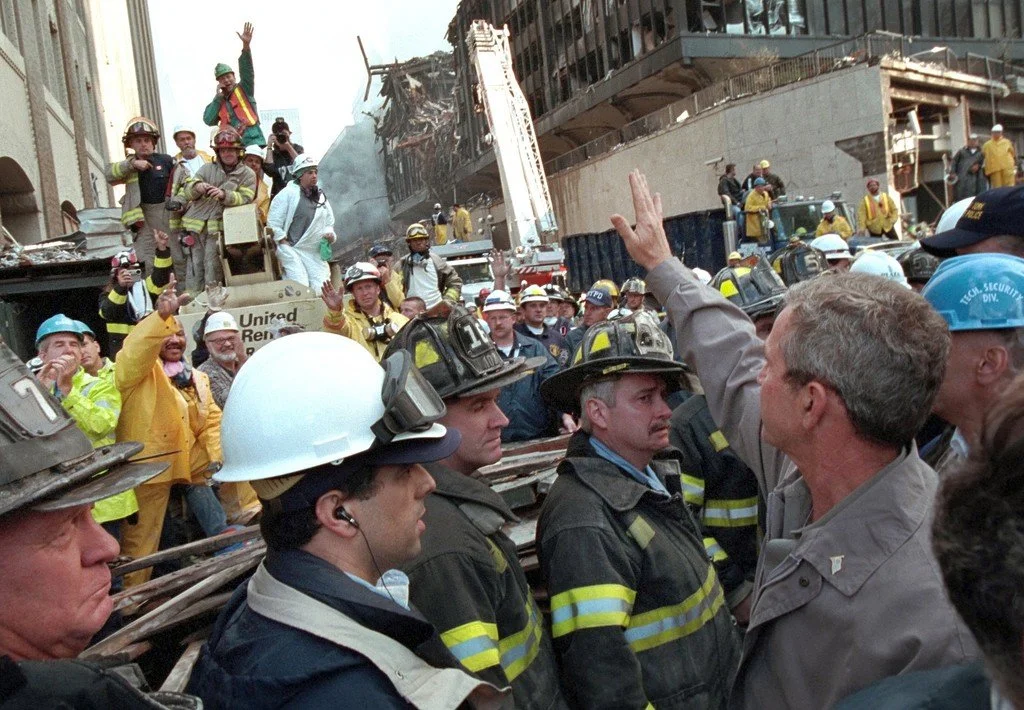
Firefighter health monitoring, including the World Trade Center Health Program
Interoperable communication systems for first responders
These changes continue to influence building codes and emergency response nationwide.
5. A Legacy of Unity — and Division
In the immediate aftermath, Americans and allies worldwide showed extraordinary solidarity: donating blood, volunteering, and supporting victims. Over time, however, debates over surveillance, civil liberties, immigration, and military action created new political divides.
Why 9/11 Still Matters Today
Twenty‑five years later, 9/11 is not just a historical event — it’s a lens through which we understand modern security, foreign policy, emergency preparedness, and even cultural identity. Its effects ripple through airport lines, surveillance debates, veterans' healthcare, Middle East geopolitics, domestic polarization, and emergency response standards.
It remains a defining moment for an entire generation.
Everyday life didn’t change all at once after 9/11 — it changed slowly, quietly, and permanently. Twenty‑five years later, a lot of what feels “normal” in 2026 is actually a direct ripple from that day. Here’s how daily life shifted in ways people still feel:
Constant Security in Public Spaces
The biggest everyday change is how routine security became. Before 9/11, metal detectors were mostly for airports and courthouses. Afterward, they spread to stadiums, concert venues, government buildings, most schools, and public transit hubs.
This wasn’t just policy — it became culture. Americans grew accustomed to bag checks, ID scans, and surveillance cameras as part of daily life.
Travel Became Slower, Stricter, and More Controlled
Air travel is the most obvious shift. The TSA, liquid limits, shoe removal, and ID verification all emerged from post‑9/11 reforms. These changes weren’t temporary — they became permanent fixtures of flying and shaped how people plan trips, arrive early, and pack.
A More Anxious National Psyche
Scholars describe a long‑term psychological impact: a sense that the U.S. was no longer immune from attack. That loss of presumed safety changed how people think about crowds, planes, skyscrapers, and even news alerts. The “background anxiety” of terrorism threats became part of everyday consciousness.
Social Behavior and Community Awareness
People became more aware of strangers — who they are, what they’re carrying, whether something seems “off.” Everyday interactions shifted toward greater vigilance in public spaces, greater attention to emergency exits, and increased reporting of suspicious behavior.
At the same time, the attacks sparked both unity and division. Patriotism surged, but so did discrimination and hate crimes against Muslims, Arabs, and people perceived as such. This had real effects on the daily lives of those communities.
Even small habits changed in daily routines. People began arriving earlier for flights, carried IDs, expecting bag checks at events, and being more aware of emergency procedures.
These weren’t dramatic, they were quiet, constant adjustments that became part of daily life.
9/11 didn’t just change policy — it changed how people live. Security became normal, anxiety became ambient, and awareness became part of everyday behavior. The effects are woven into routines so deeply that many younger adults have never known life any other way.
Timeline of September 11, 2001
The Flights Depart
7:59 a.m. - American Airlines Flight 11 departs Boston for Los Angeles. Five al‑Qaeda hijackers are onboard.
8:14 a.m. - United Airlines Flight 175 departs Boston for Los Angeles with five hijackers.
8:20 a.m. - American Airlines Flight 77 departs Washington Dulles for Los Angeles with five hijackers.
8:42 a.m. - United Airlines Flight 93 departs Newark for San Francisco with four hijackers.
Hijackings Begin
8:14 a.m. - Flight 11 is hijacked over Massachusetts.
8:19 a.m. - Flight 11 flight attendants alert ground personnel: the cockpit is unreachable.
8:24 a.m. - Hijacker Mohamed Atta accidentally transmits a message to air traffic control instead of passengers.
8:42–8:46 a.m. - Flight 175 is hijacked over New Jersey.
The Attacks
North Tower
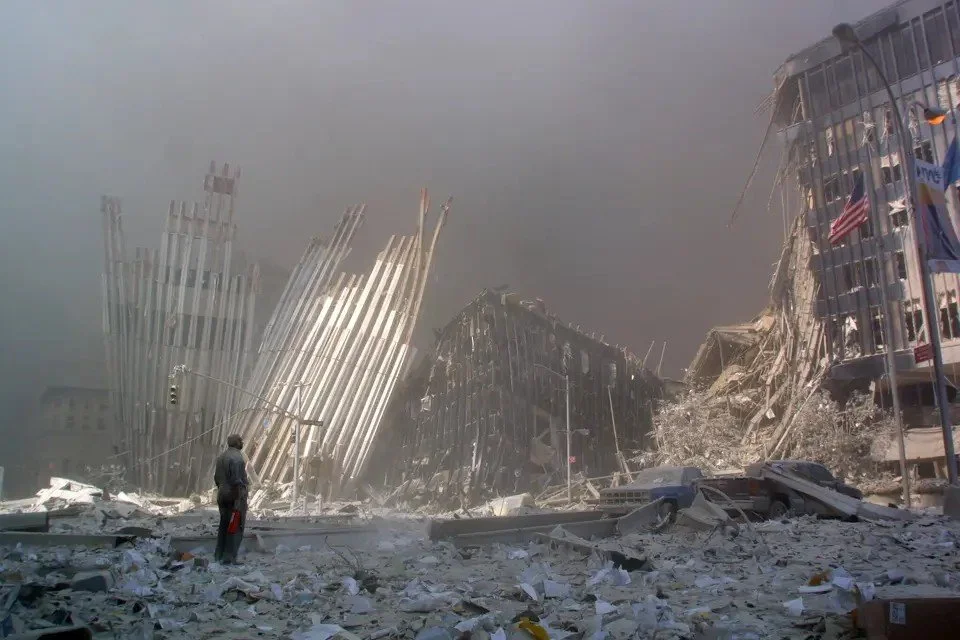
8:46:40 a.m. - Flight 11 crashes into the North Tower of the World Trade Center (floors 93–99).
South Tower
9:03 a.m. - Flight 175 crashes into the South Tower (floors 77–85).
Pentagon
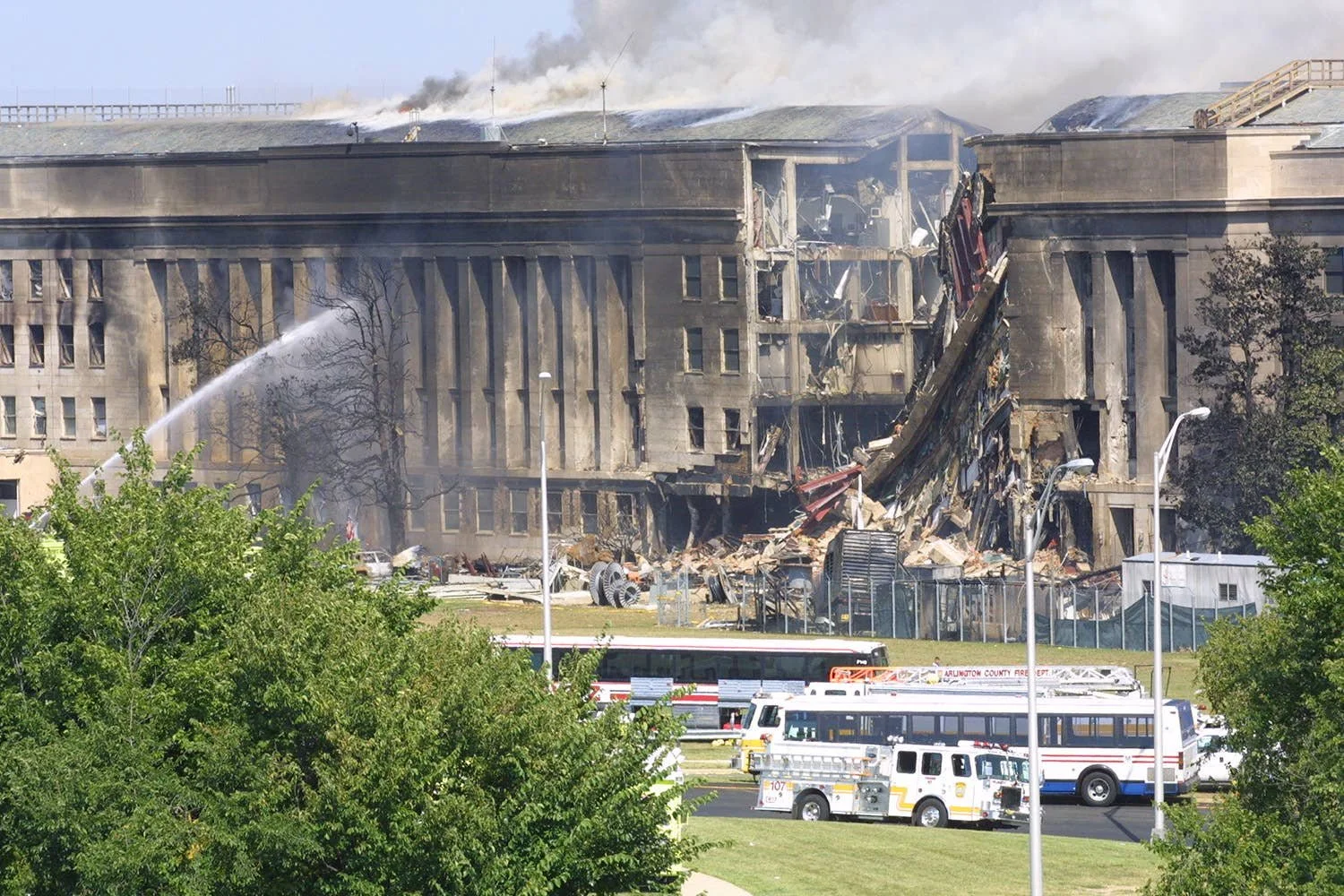
9:37 a.m. - Flight 77 crashes into the Pentagon, killing everyone on board and 125 people inside the building.
Shanksville, Pennsylvania
10:03 a.m. - Flight 93 crashes into a field near Shanksville after passengers fight back against hijackers.
Collapse of the Towers
9:59 a.m. - The South Tower collapses, 56 minutes after impact.
10:28 a.m. - The North Tower collapses, 102 minutes after impact.
Aftermath and Later Milestones
2004 - The 9/11 Commission Report is released.
2011 - Osama bin Laden, leader of al‑Qaeda (the violent extremist organization responsible for the attacks), is killed by U.S. Navy SEALs.
2014 - One World Trade Center officially opens.
The NFL suspend games after 9/11 — specifically all Week 2 games scheduled for September 16–17, 2001 were suspended. This was the first time the league paused the regular season since the 1987 players’ strike.
Broadway shows go dark. The shutdown was symbolic - Broadway almost never goes dark. Theatres closing en masse reflected the shock, grief, and paralysis felt across New York City. It was one of the clearest cultural markers of how deeply the attacks disrupted daily life.
On September 12, 2001, Mayor Rudy Giuliani publicly urged Broadway to resume performances as soon as possible. His message was that reopening theatres would help restore a sense of normalcy, keep people working, and show that New York City would not be paralyzed by the attacks.
Interested in becoming a Site Sponsor? Your ad will run at the bottom of EVERY NEWS STORY. Click HERE for more details.