
Zion Lutheran Church Celebrates 200 Years
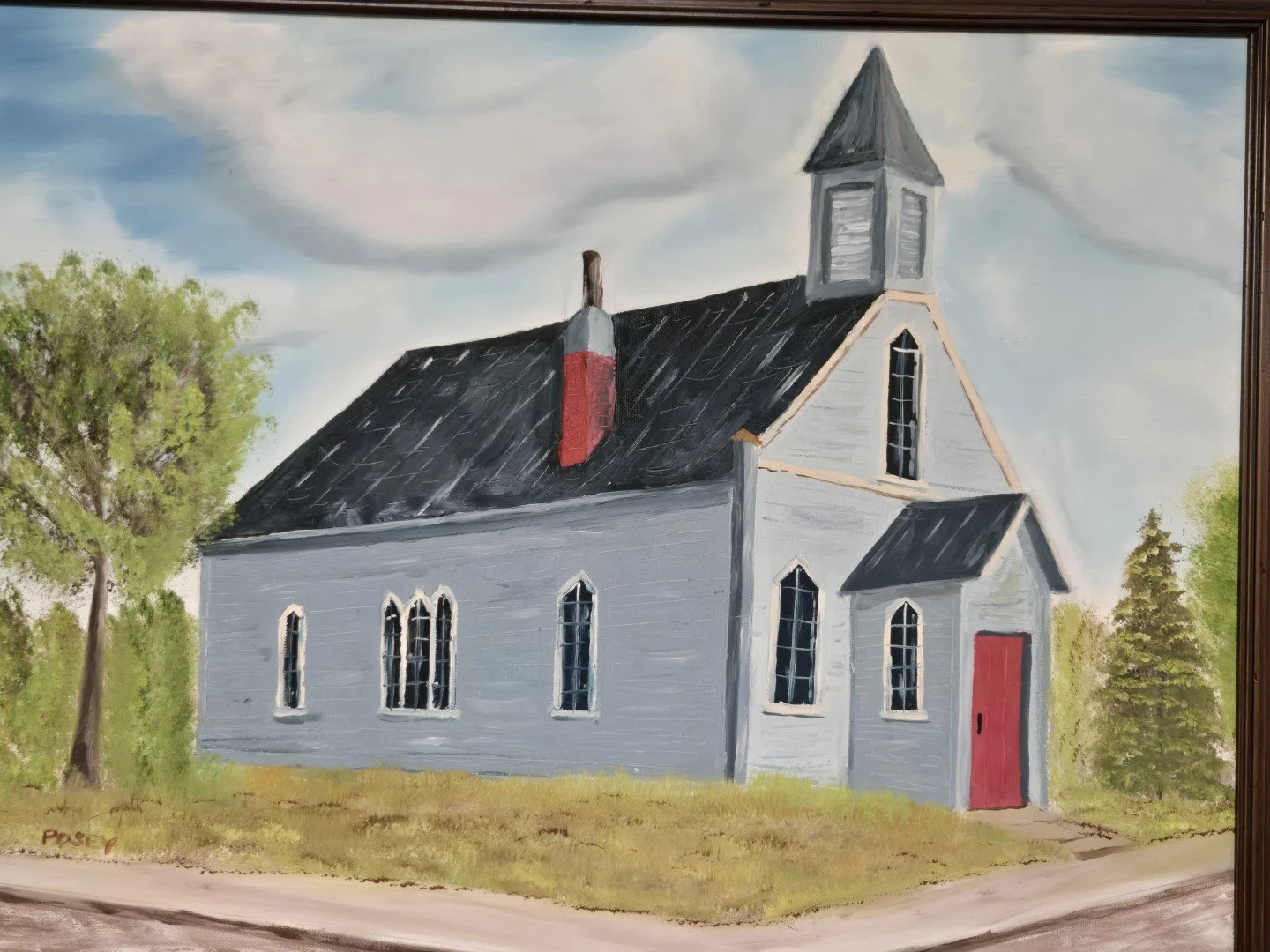
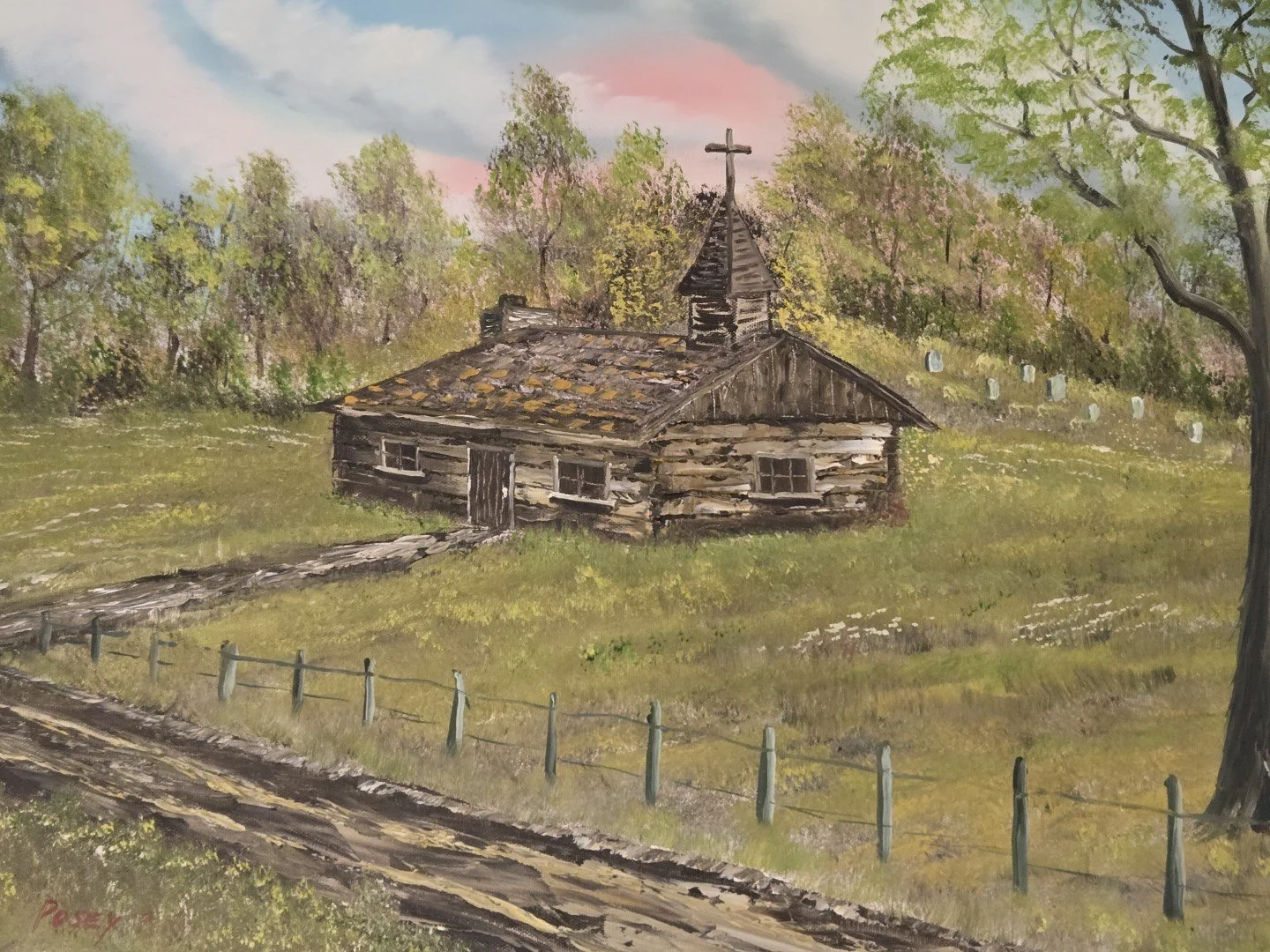
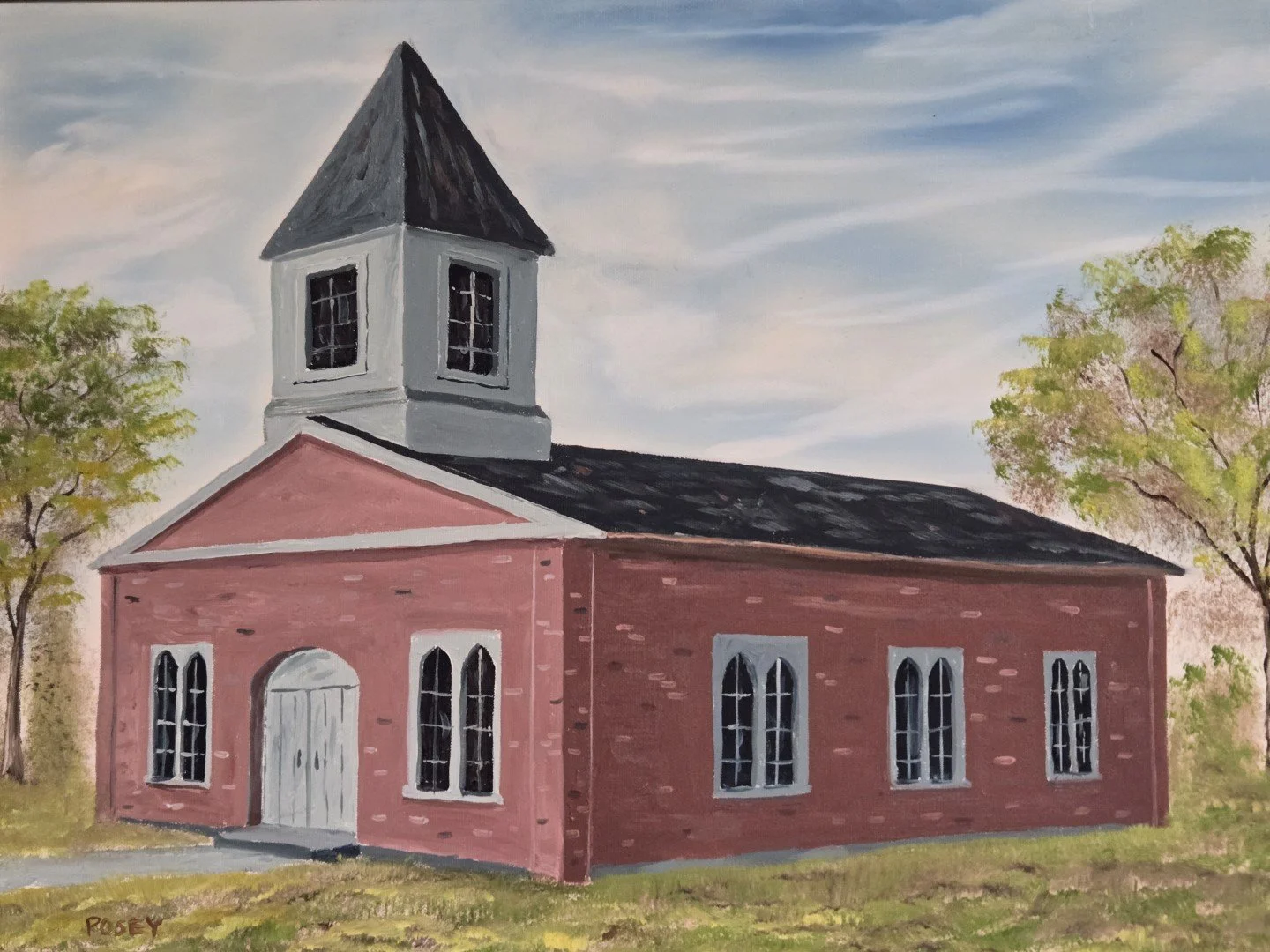
Contributed by past and present members of the Zion Lutheran Church
Part I of II
The year of founding was 1826. The village of Tippecanoe would not be in existence for another 16 years. The nearest village was the now defunct Cowlesville. Even the village of Hyattsville, later to be absorbed by Tippecanoe, was 7 years from its founding. Only some forty years had passed since General Anthony Wayne cleared the remnants of Shawnees from what is now Miami County. Though little in number, the pioneer settlers were from all the old states of the Union. Those from New Jersey, Pennsylvania, and Virginia were most dominant. Included was a sprinkling of families from New York and Delaware.
The land was rich and well-timbered with large walnut, ash and cherry trees. The numerous streams ran clear and pure, and wild game, including deer, elk, wild turkeys, and buffalo, were in abundance. Hogs were fattened in the woods, and corn was raised only for human food by hoeing and digging around stumps. A man going to the mill with two bushels of corn was considered a prosperous farmer. Eggs sold for three cents a dozen, chickens at fifty cents a dozen, and whiskey went for twelve cents a gallon.
Life was hard and quite often short. The average life expectancy in 1826 was a mere twenty-seven years on the frontier, due mainly to the deaths of children caught in the terrible rounds of diseases prevalent at the time. One in four children died before age five.
It was in this time and place that the church was born. Several families belonging to the German Reformed and Lutheran faiths decided to construct a building for the purpose of a meeting house and school. A burying ground was to be included. To this end, Jacob Worman, a local farmer of substance, on January 21, 1826, deeded a small tract of land on what is now South Hyatt Street to the trustees of the German Reformed and Lutheran Church, namely John Ritter, Jacob Favorite and George Gump.
The first church was a small, simple structure constructed of logs probably cut from the building site and the nearby hardwood forest. The floor was planked, and rough-hewn benches were installed. There was no organ or piano. A congregational fiddle player probably provided music, and hymns were sung with the aid of a song leader beating time on the church floor with a “rhythm staff”. A good memory for words and melody was a firm prerequisite for this position. However crudely presented, music was of prime importance in the Lutheran service then, as it is to this day.
The first pastor came as a result of petitioning the New York Synod of the Reformed Church. His name was John Pantz. Pastor Pantz reportedly was a man of many talents. He pastored the little flock, taught the three R’s to the children, and did some “doctoring”. During his stay, he also rode horseback to minister to folks in the surrounding area. No doubt an educated and cultured man. A rarity in western Ohio at that time. Pastor Pantz stayed with and nourished our church until 1839. His devoted leadership was no doubt largely responsible for the survival of our church in its infancy.
Sometime about 1840 The German Reformed members and the Lutherans decided to part. The Lutherans supposedly were too “liberal” for the Reformed folks to continue their association. A Lutheran congregation was organized from the members of the original church, and they continued to worship at the little log church on South Hyatt Street under the name of the Worman Church, named in honor of the gentleman who originally deeded the land to the church. It is not known where our Reformed friends finally settled.
In the formation of the new all-Lutheran group, a lay pastor was called. His name was A.S. Link (1839-1848). During his tenure at the Worman Church, Pastor Link also served three other congregations: the Bethel Church in Clark County, the Stillwater Church near Vandalia, and the Casstown Church. He preached in both German and English. Like many churches of that time, ours was one congregation in a parish of four under the care of one pastor. In 1878, our church finally became a singular parish. Pastor Link was given the recognition of ordination by the Joint Ohio Synod in 1842. Pastor Link played an important role in the early history of our church in that he strengthened the doctrine of Lutheranism in this area and consolidated our congregation as Lutherans.
At the urging of Pastor Link and the lay leaders of the old Worman Church, a new building site was acquired on February 6, 1847. Namely lot number 30 of the new town plat of Tippecanoe, the same lot where our present church is located. The lot was then at the very western edge of town and still in the woods. It was deeded by John Clark, the town’s founder, to the trustees of the newly named Evangelical Lutheran Church; John Ritter, Jacob Rohrer and John Sanders. John Ritter, a successful farmer, donated two thousand dollars toward the building of the new church. It is reported the total cost of the structure was slightly over thirty-two hundred dollars. The old log Worman Church was abandoned and left to ruin, but the deeded property and cemetery remained, as it does to this day, in the ownership and care of the church.
The cornerstone for the new church was laid on July 16, 1847. Dr. Ezra Keller, the first president of Wittenberg University, preached in English, followed by the Reverend G.H. Reimsneider, who preached in German. (Reimsneider was a brother of Pastor Link’s wife.) This new church was the talk of the county! A magnificent structure for its time and place. Brick of local manufacture was used in its construction, and no cost was spared in the quality and beauty of the building. How proud our forebears must have been! What a change they witnessed! From a humble log hut to magnificent brick church in the space of only twenty-one years. These were dedicated Lutherans.
Upon the death of trustee John Ritter on November 11, 1862, he bequeathed a lot on the corner of Main and Third Streets and two thousand dollars for the purpose of building a parsonage. The parsonage was built, and there it stood until 1920.
Pastor Link took his leave of our church in 1848 to answer a call in Lancaster, Ohio. He was followed by Pastors Aughe, Harris and Schauer, but returned as our Pastor in June of 1861. He served here until his death on March 30, 1862. Pastor Link was only forty-two. He was well known and respected in this area. As a result, his funeral was so well attended it had to be held in the Methodist Church, as it was the largest building available at the time.
(Part II of the Zion’s history will be published in the August 5, 2026, edition of the Tippecanoe Gazette)
Interested in becoming a Site Sponsor? Your ad will run at the bottom of EVERY NEWS STORY. Click HERE for more details.