
“FIFI” returns to the birthplace of air power
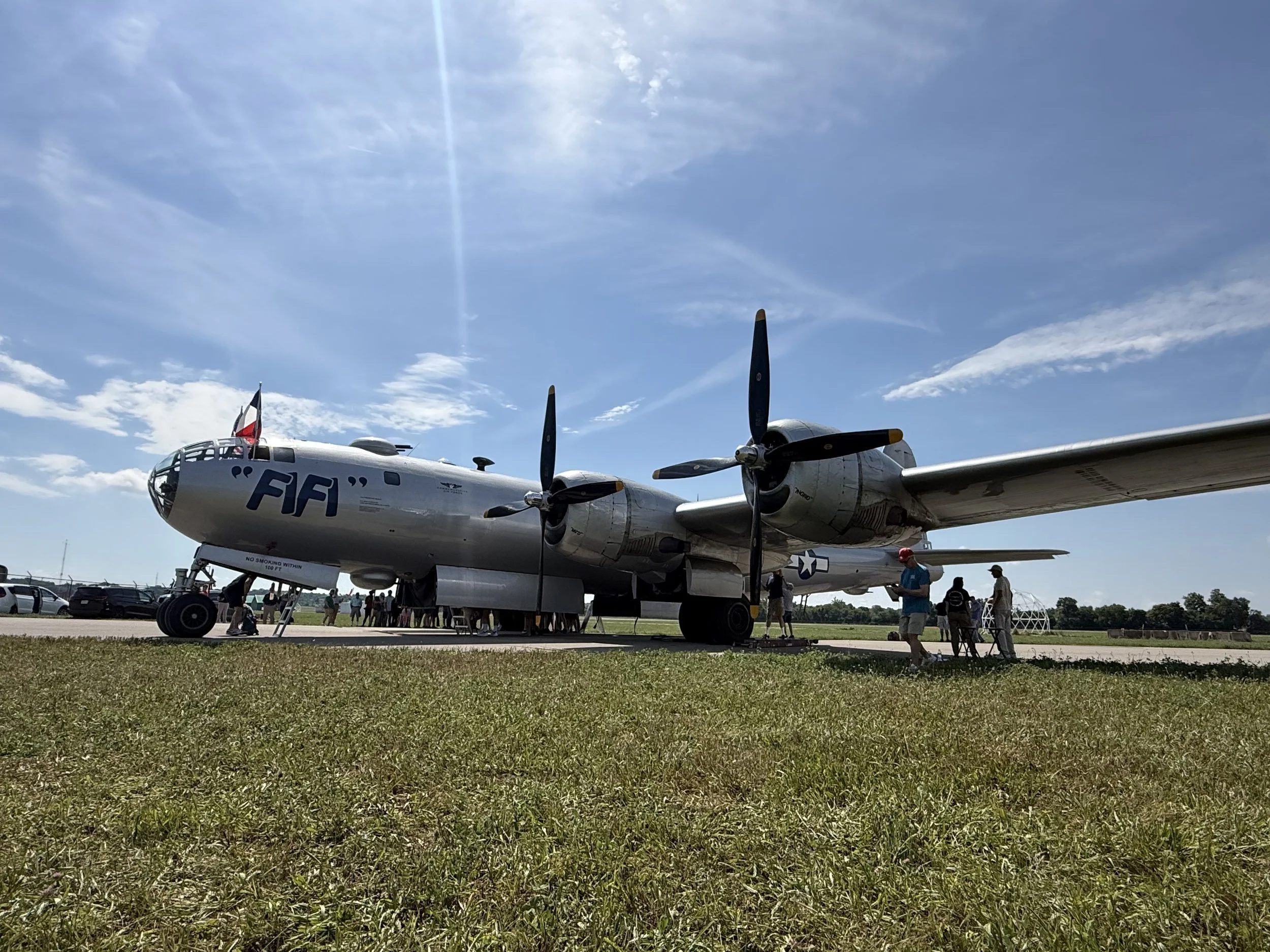
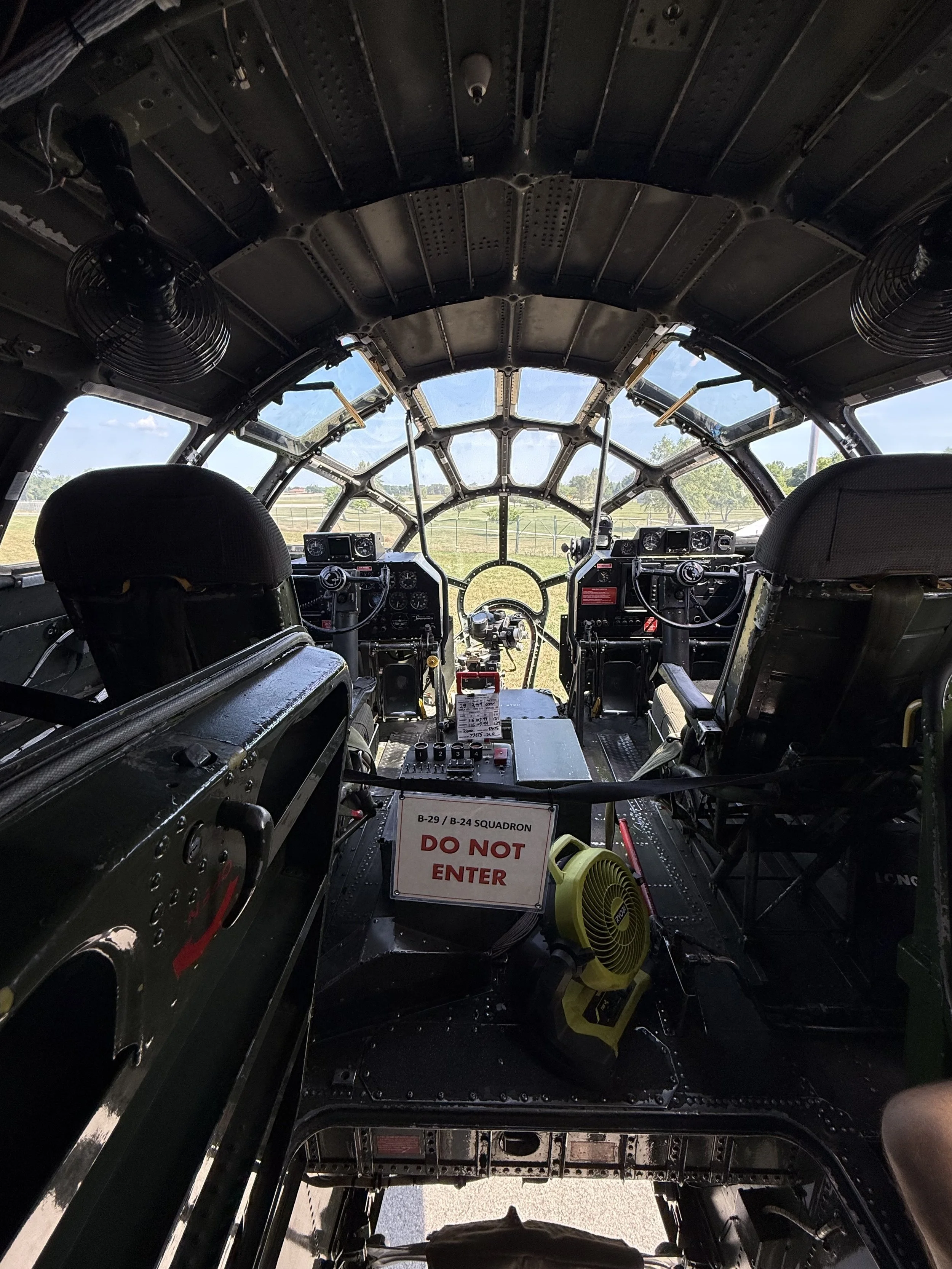
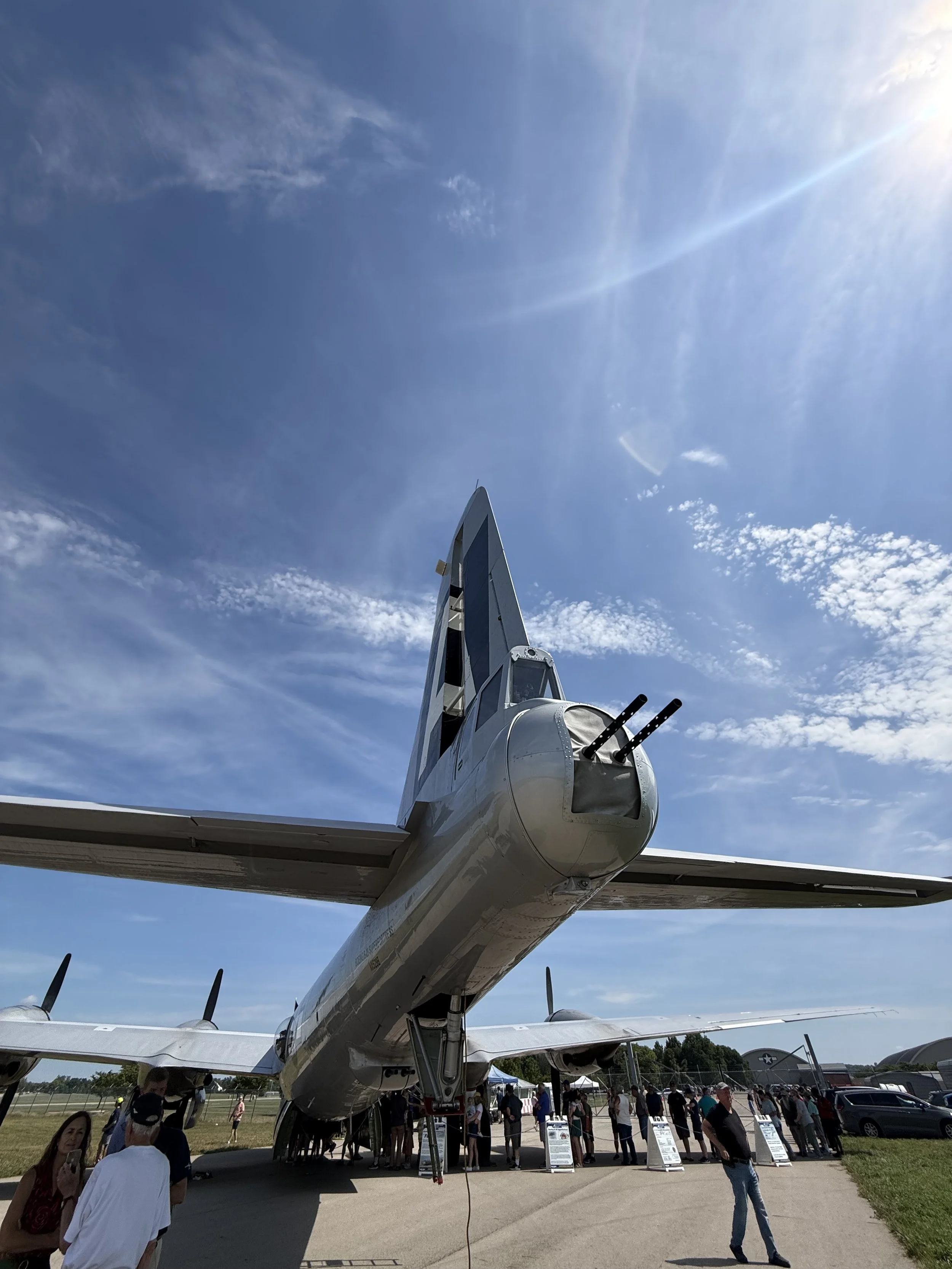
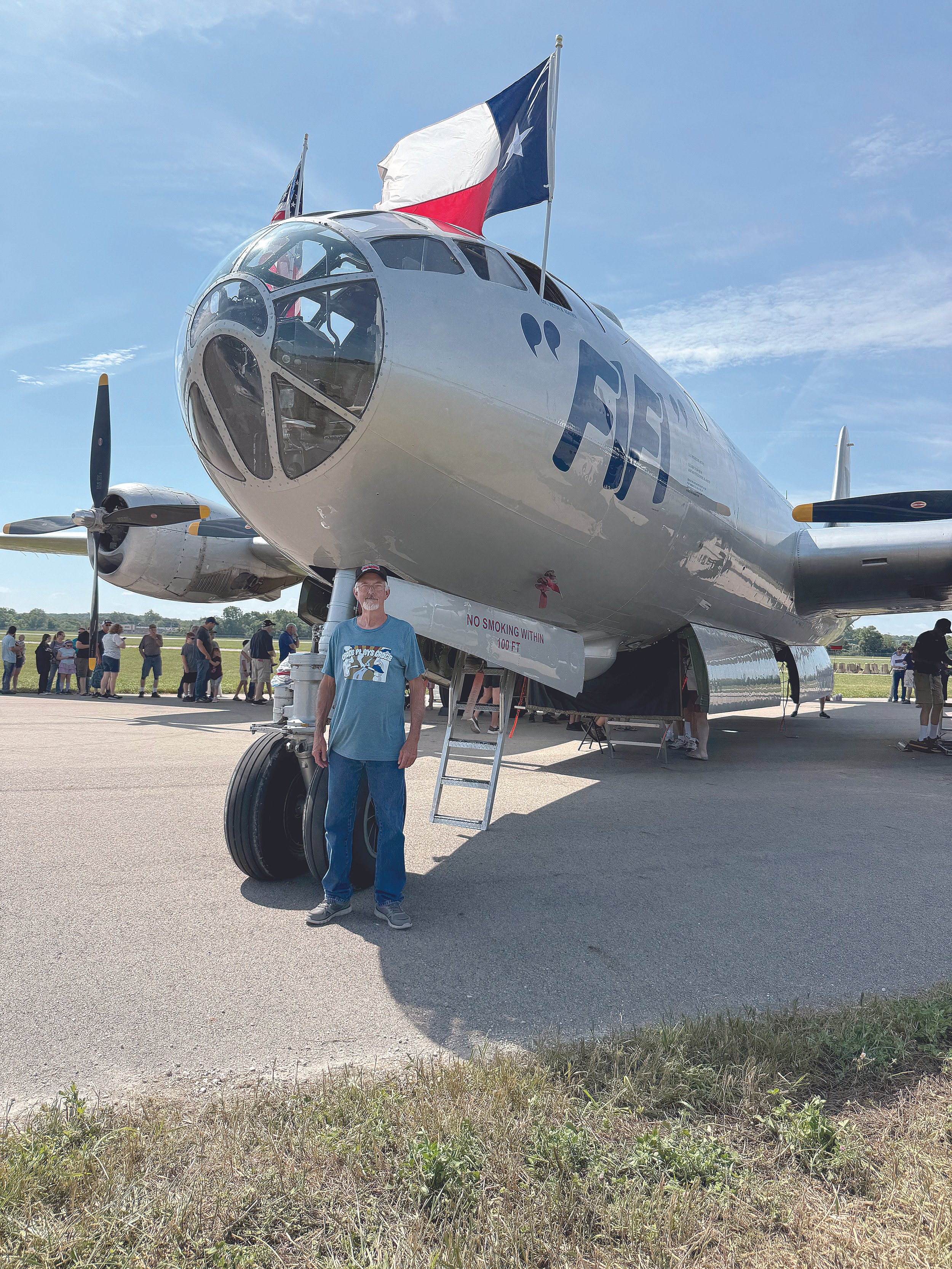
A rare and unforgettable sight awaited aviation enthusiasts at the National Museum of the United States Air Force on Wright-Patterson Air Force Base. One of America's most famous World War II bombers, FIFI, has made a special visit. On Wednesday, July 8, Uncle Gary and I headed to Wright-Patterson to see and tour FIFI.
For many visitors, this may be the only opportunity in a lifetime to see, hear, and walk around one of only two airworthy Boeing B-29 Superfortresses remaining anywhere in the world.
Built during World War II, the Boeing B-29 represented the pinnacle of aviation technology in the mid-1940s. It featured pressurized crew compartments, remote-controlled gun turrets, and powerful Wright R-3350 radial engines, enabling it to fly higher, farther, and faster than previous American bombers. The aircraft became one of the most important strategic weapons of the Pacific Theater, carrying the fight deep into Japanese-held territory.
FIFI herself has an incredible story. Constructed in 1945, she arrived too late to see combat during World War II. Instead, she served in military roles before eventually being retired and stored in the California desert. In the early 1970s, members of the Commemorative Air Force rescued the aircraft from a scrapyard and began one of the most ambitious aircraft restoration projects ever undertaken. Thousands of volunteer hours and countless donations transformed the weathered bomber back into flying condition, allowing future generations to experience not just what a B-29 looked like, but also what it sounded and felt like.
Standing beneath FIFI's massive 141-foot wingspan gives visitors a true appreciation of the era's engineering achievements. The airplane stretches nearly 100 feet from nose to tail and weighs well over 100,000 pounds when fully loaded. Yet when those four massive radial engines come to life, the aircraft lifts gracefully into the sky, reminding spectators why the B-29 was considered one of the most advanced bombers ever built.
For visitors to the National Museum of the United States Air Force, FIFI's arrival creates a unique opportunity to compare history. Inside the museum rests Bockscar, the B-29 that flew the second atomic mission during World War II. While Bockscar is preserved exactly as it appeared during its historic service, FIFI remains a living aircraft that continues to fly across the country. Seeing one displayed as a museum artifact and another still taking to the skies provides a remarkable perspective on both preservation and restoration.
The sound of a B-29 is something few Americans have experienced. The deep rumble of four eighteen-cylinder radial engines echoes across the airfield, transporting many veterans and history buffs back to an era when thousands of similar aircraft filled the skies. For younger visitors, it is a chance to witness aviation history in motion rather than simply reading about it in a textbook.
Whether you're a lifelong aviation enthusiast or simply looking for an unforgettable family outing, FIFI's visit is well worth the trip. The National Museum of the United States Air Force is already considered one of the world's finest aviation museums, housing everything from the Wright brothers' legacy to stealth aircraft and presidential airplanes. Adding one of the world's last flying B-29 Superfortresses makes this an extraordinary event that celebrates the ingenuity, sacrifice, and determination of the Greatest Generation.
History is often preserved behind ropes and display cases. This week, however, history has arrived under its own power, reminding us that some legends are still capable of taking flight.
Interested in becoming a Site Sponsor? Your ad will run at the bottom of EVERY NEWS STORY. Click HERE for more details.