
Second Chance Drug Court celebrates 26th annual graduation
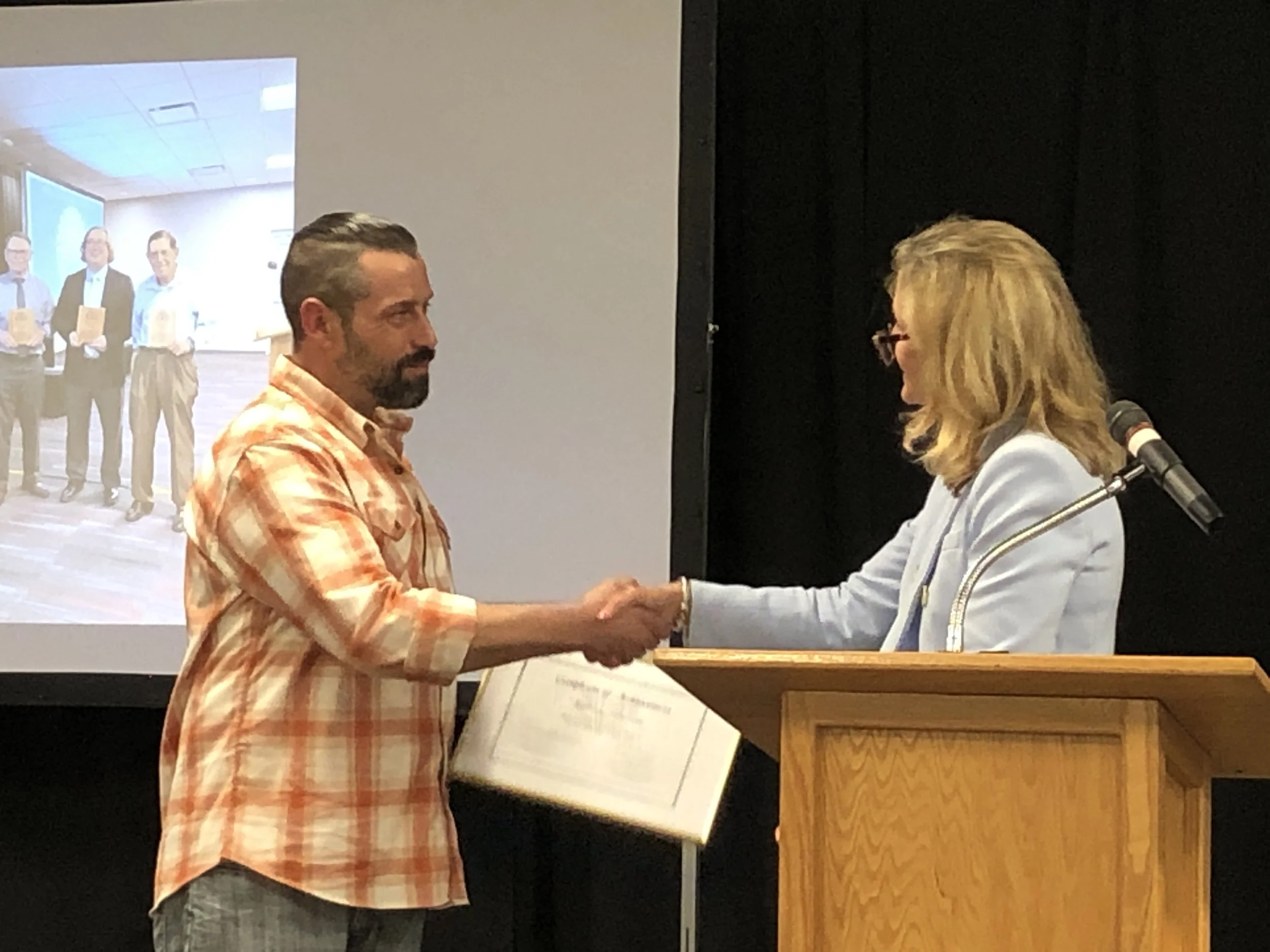
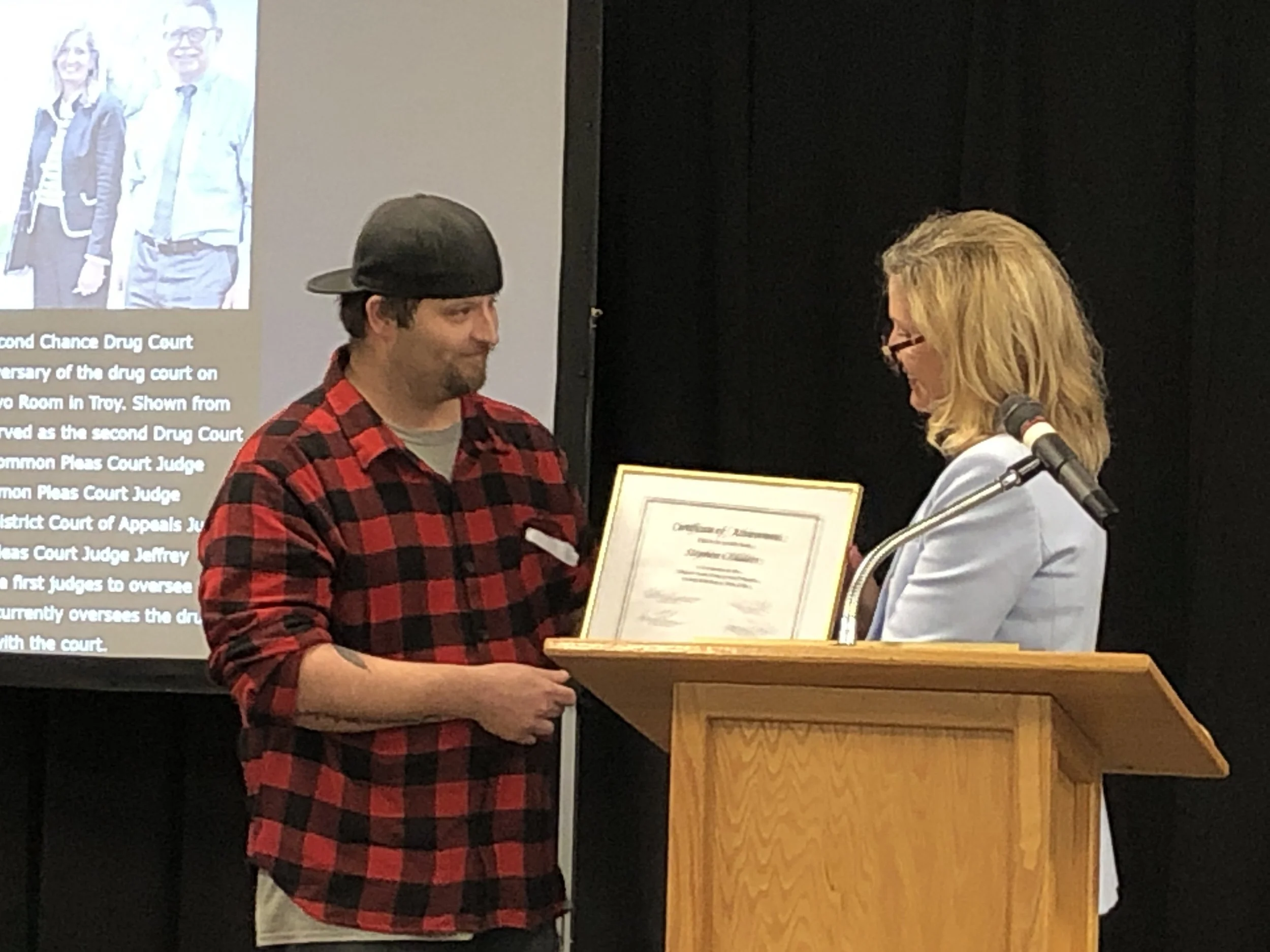
Elected officials, treatment providers, court staff, and local law enforcement officers celebrated the Miami County Second Chance Drug Court’s 26th annual graduation on Wednesday, May 20, during a special ceremony held at Hobart Arena’s Bravo Room.
“Before drug court, my life was crazy,” drug court graduate Mindi Harris said. “Today, I’m proud of the person I’m becoming. I have a whole new outlook on life.”
“When I started drug court, I thought it was going to be just another requirement I had to get through to get off of probation and back to my life,” she said. “It became so much more than that. The drug court program gave me structure, accountability, and support when I needed it the most. The treatment team pushed me to take responsibility for my actions, but they also reminded me that my past does not define who I am.”
The ceremony honored the graduation of four drug court participants, including Harris, Valerie June Caldwell, Jeffrey Herron, and Steven Childers. The ceremony also celebrated the 26th anniversary of the Miami County Second Chance Drug Court.
“Above all, we celebrate the incredible people sitting before us who made the courageous decision to change their lives,” Drug Court Coordinator Brittany Zimmerman said.
“This is your day, and we’re going to celebrate it,” Miami County Drug Court Judge Jeannine Pratt said. “Drug court is very challenging, and it’s challenging by design.”
The Miami County Drug Court program is one of roughly 170 drug court programs in the state of Ohio, Pratt said.
“These programs are judicially supervised and are designed to address cases involving non-violent offenders struggling with substance abuse,” she said.
“Drug court offers an alternative to traditional criminal justice system proceedings by combining intensive treatment, supervision, accountability, and support services,” Pratt said. “It addresses addiction, resolving legal issues, building independent living skills, and successfully integrating each of the participants back into our communities.”
“Drug courts work,” she said. “Drug court participants are significantly less likely to be re-arrested than individuals processed through the traditional court system. For every dollar invested in drug court programs, communities save between two to four dollars in direct taxpayer costs, with broader social benefits reaching even higher levels.”
Nationally, drug courts average around 50-70% graduation rates, Pratt said.
“Our drug court program has a 69% graduation rate,” she said. “When we succeed here, we save lives. We strengthen families, and we create productive citizens, reduce crime, and make our community safer and healthier.”
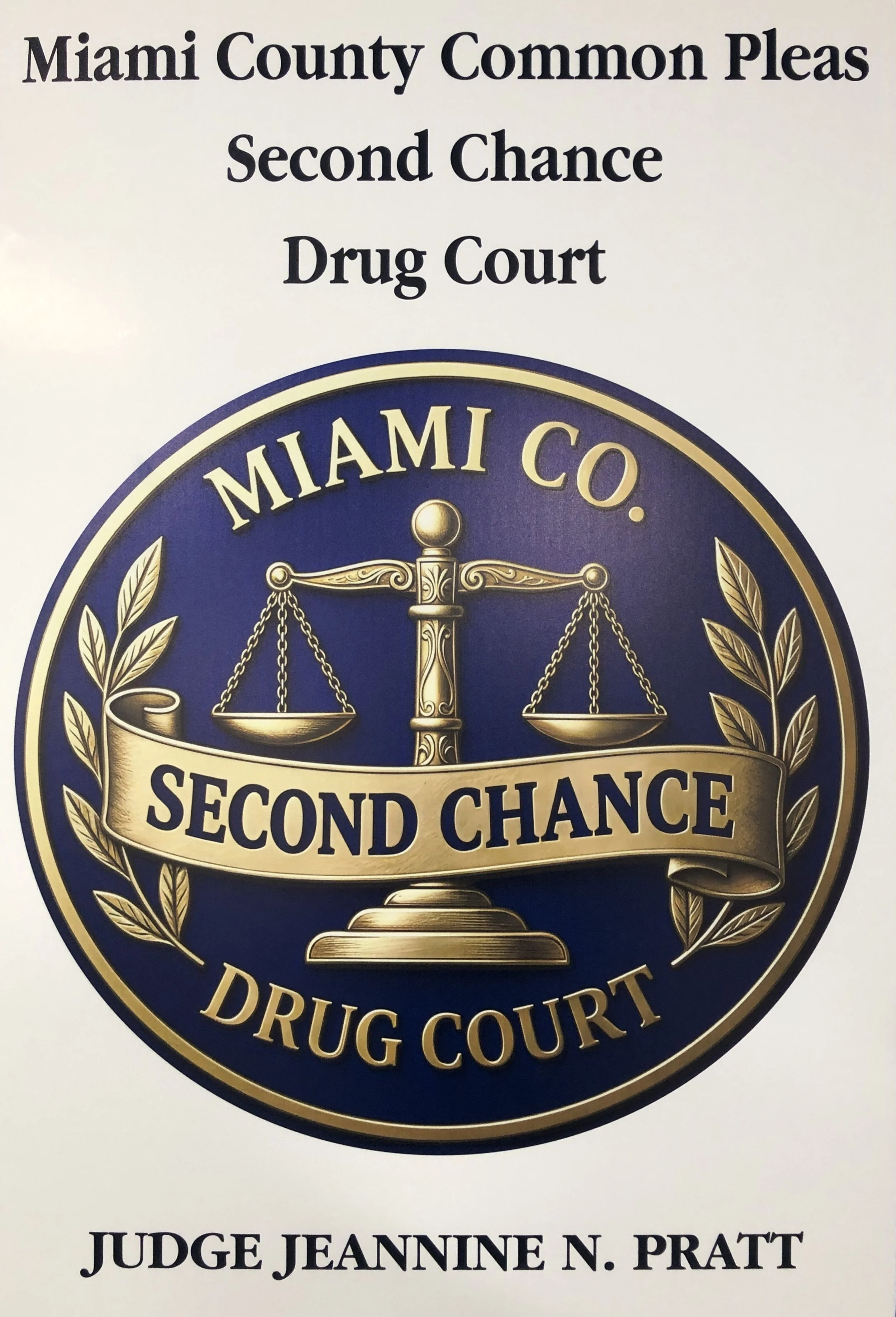
The ceremony also celebrated the Miami County Drug Court program’s 26th anniversary, as well as several recent changes to the program, including the introduction of semi-annual graduation ceremonies and a newly-designed logo.
“Twenty-six years is a remarkable milestone,” Zimmerman said. “It represents thousands of lives touched, countless barriers overcome, and a community that chose to believe in rehabilitation instead of giving up on people.”
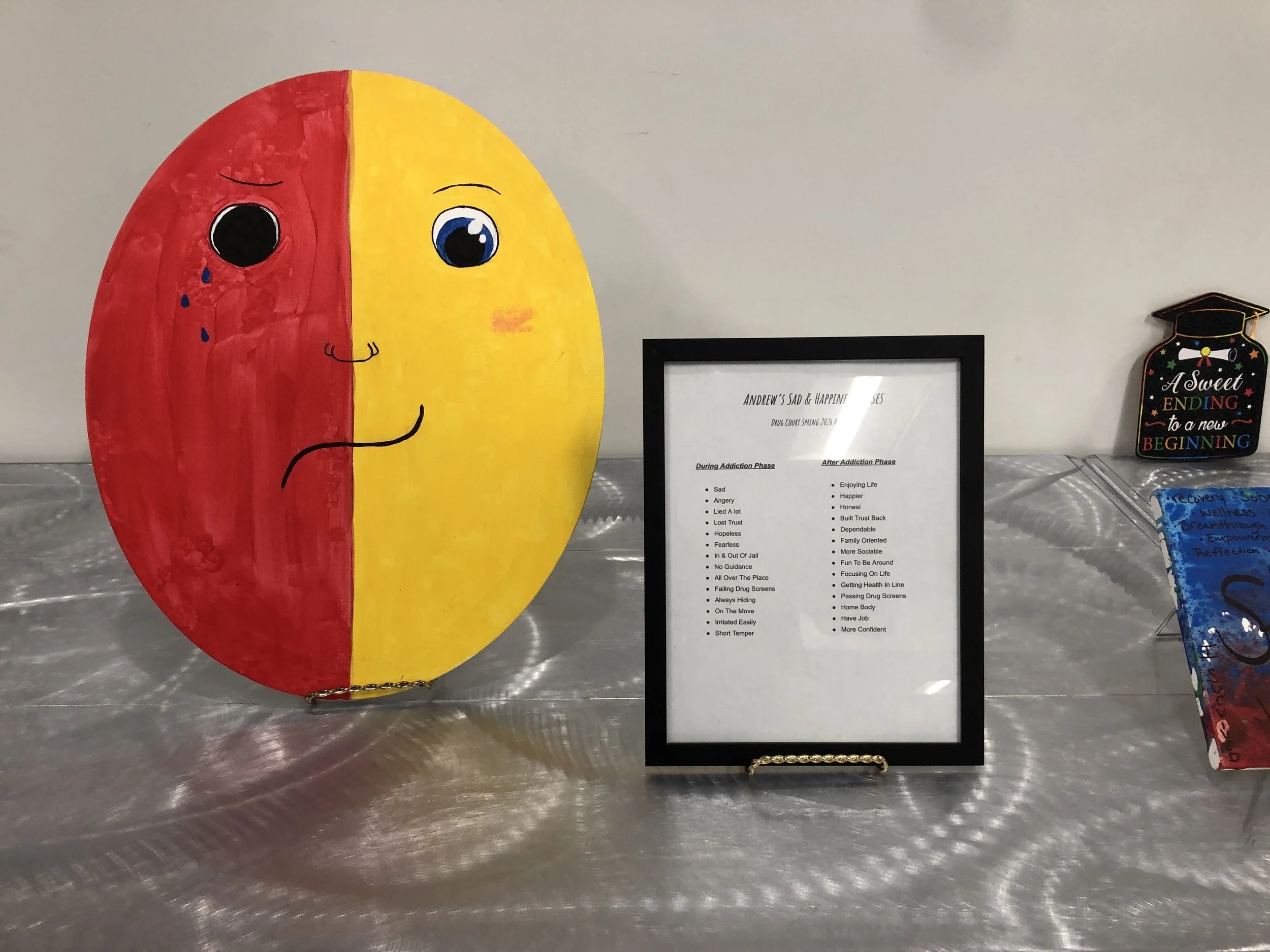
During the ceremony, artwork created by program participants was also on display.
“Three years ago, we started to have our participants create art projects at graduation,” Chief Probation Officer Justin Lande said.
“It’s beautiful work that they do,” he said. “Some of the stuff that they put together is really inspiring.”
Interested in becoming a Site Sponsor? Your ad will run at the bottom of EVERY NEWS STORY. Click HERE for more details.