
Air Show honored history, looks to the future
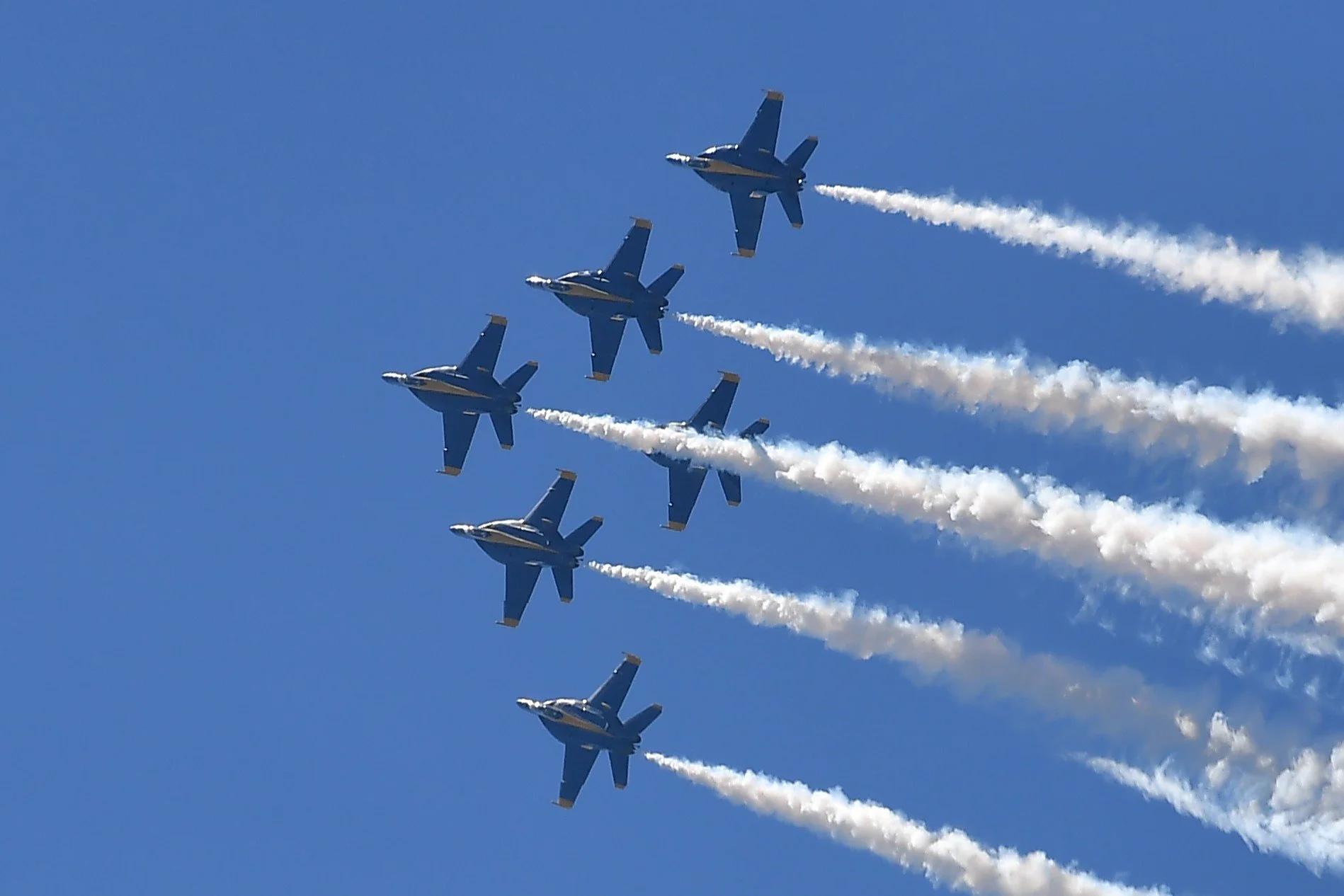
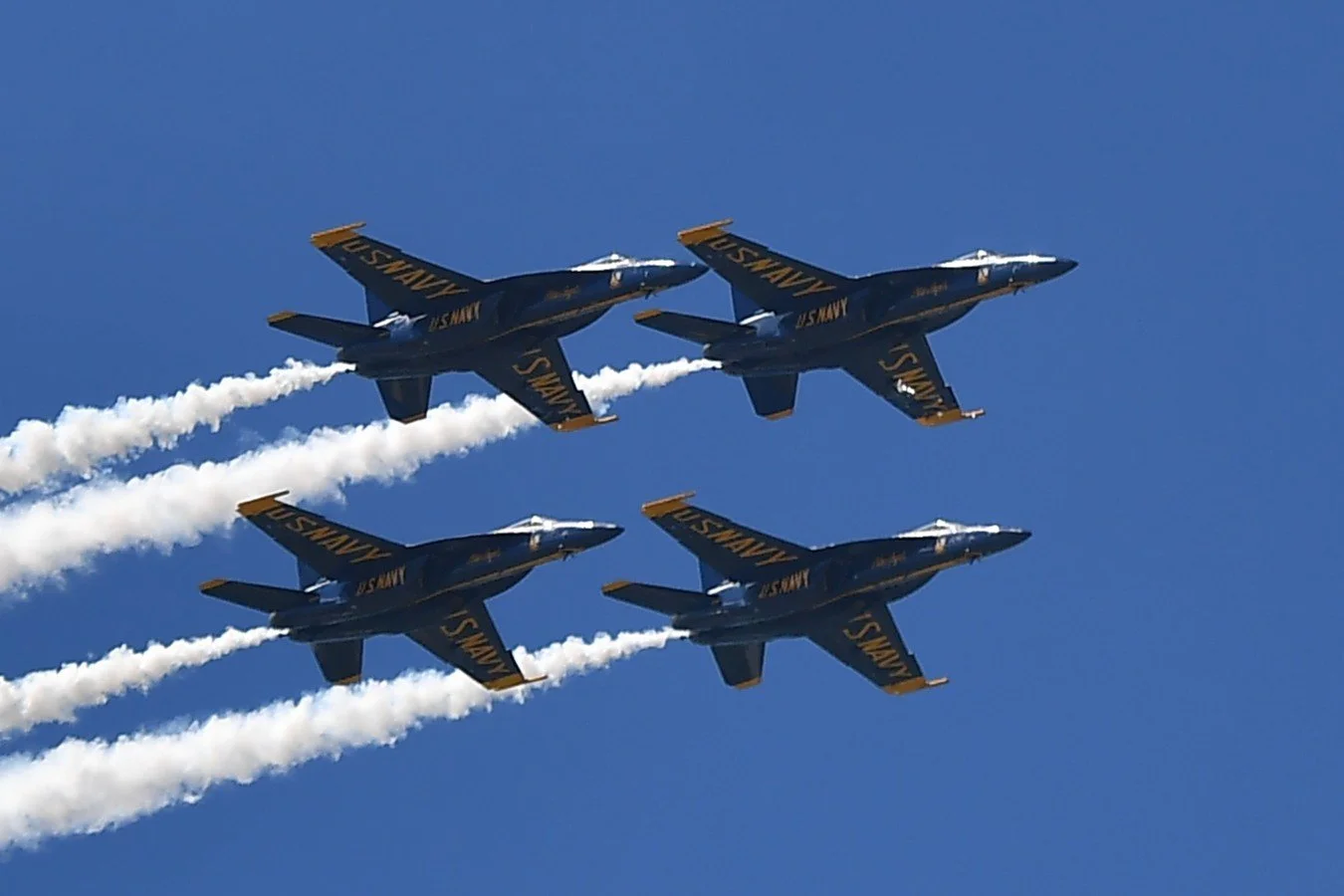
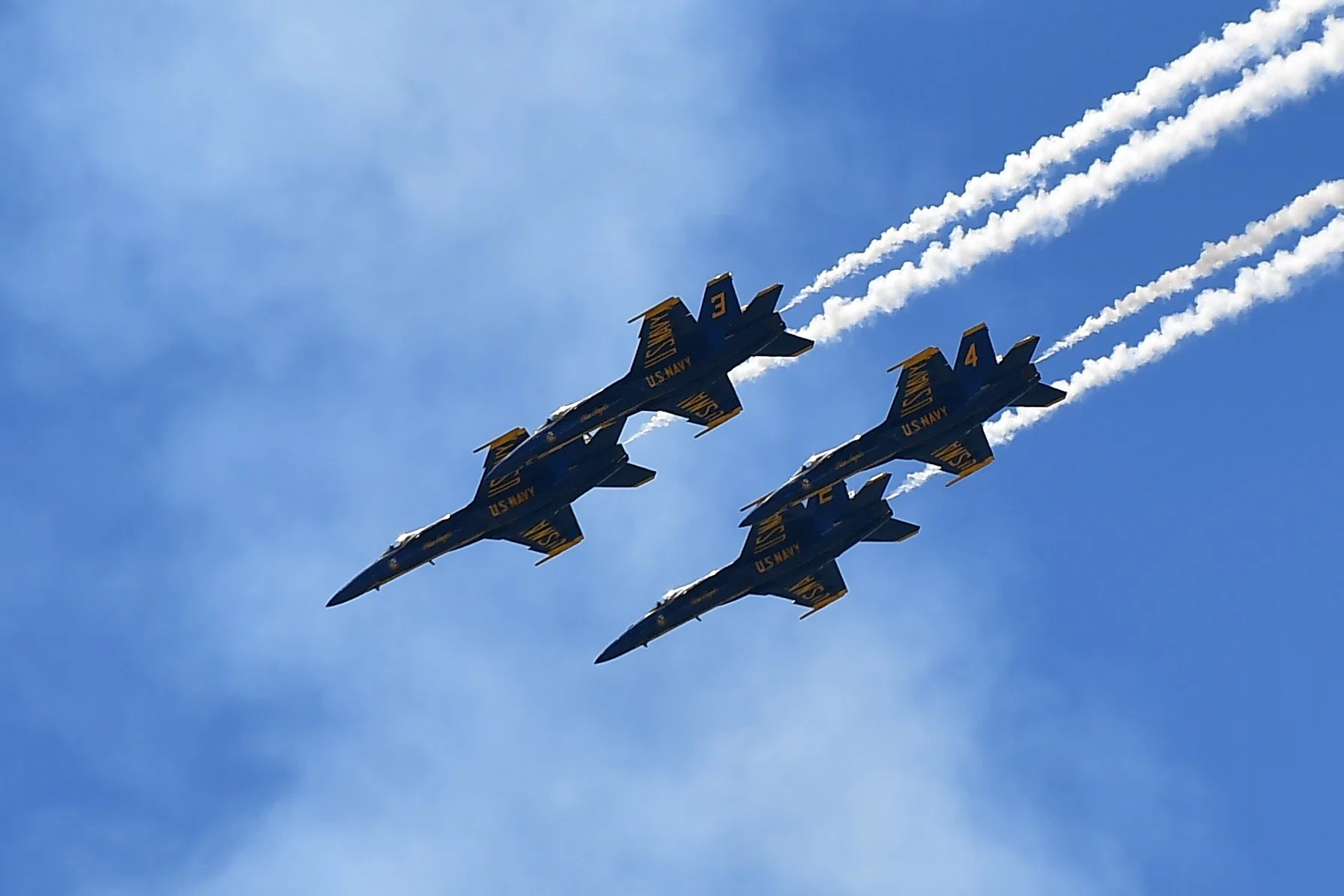
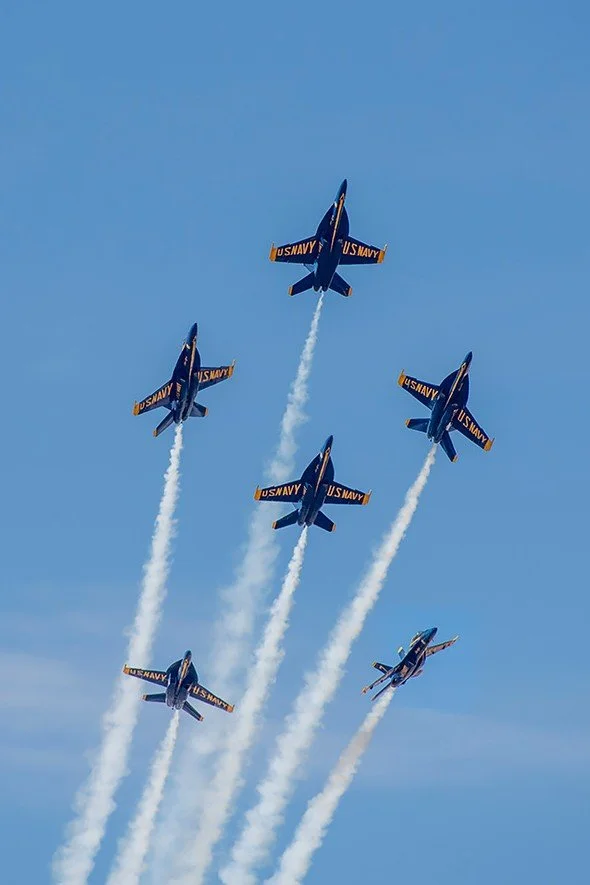
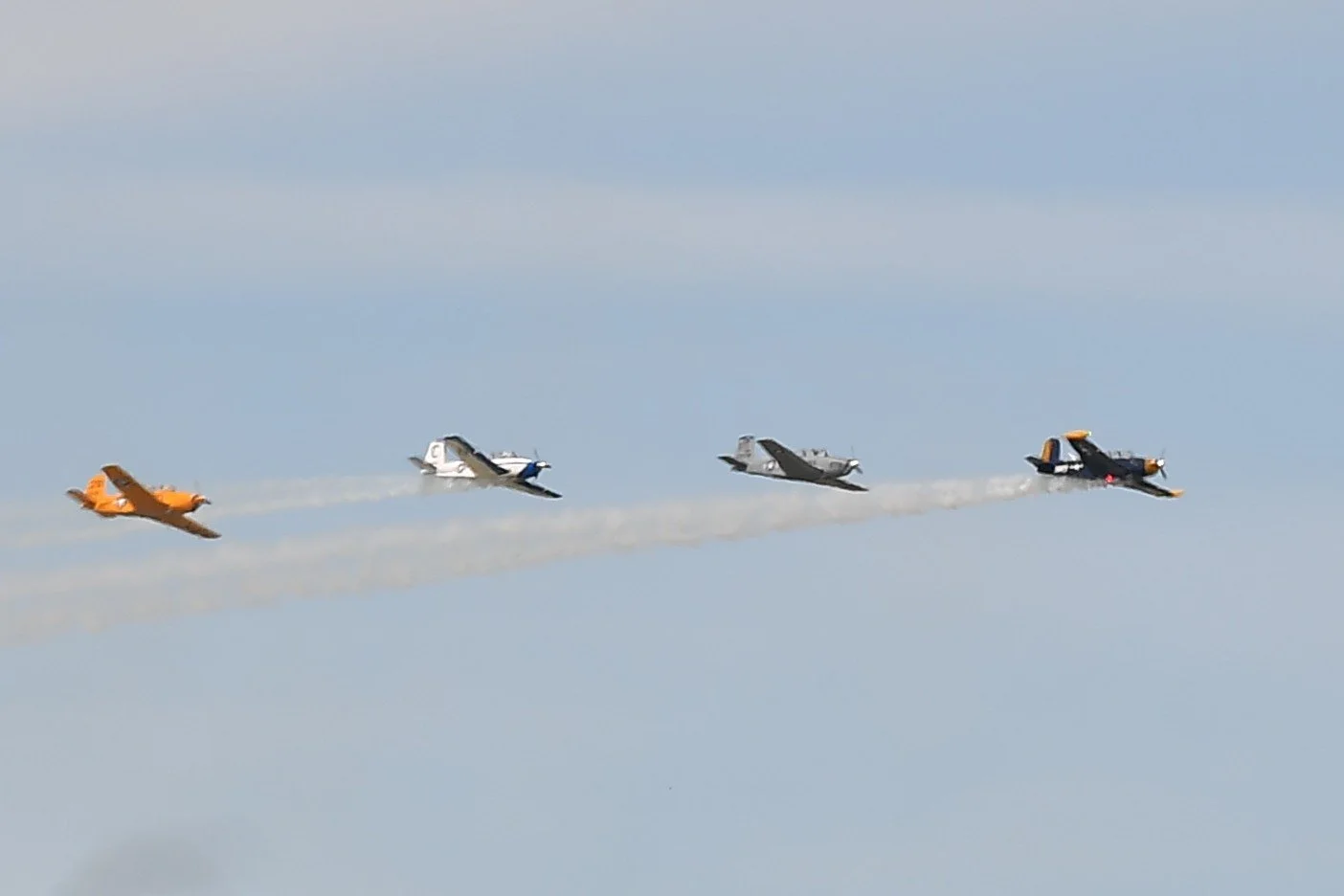
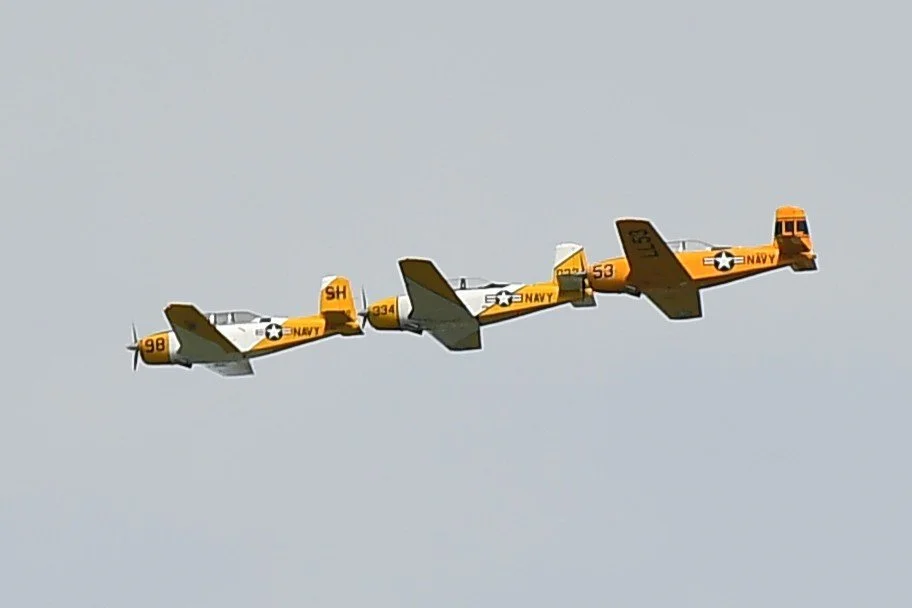
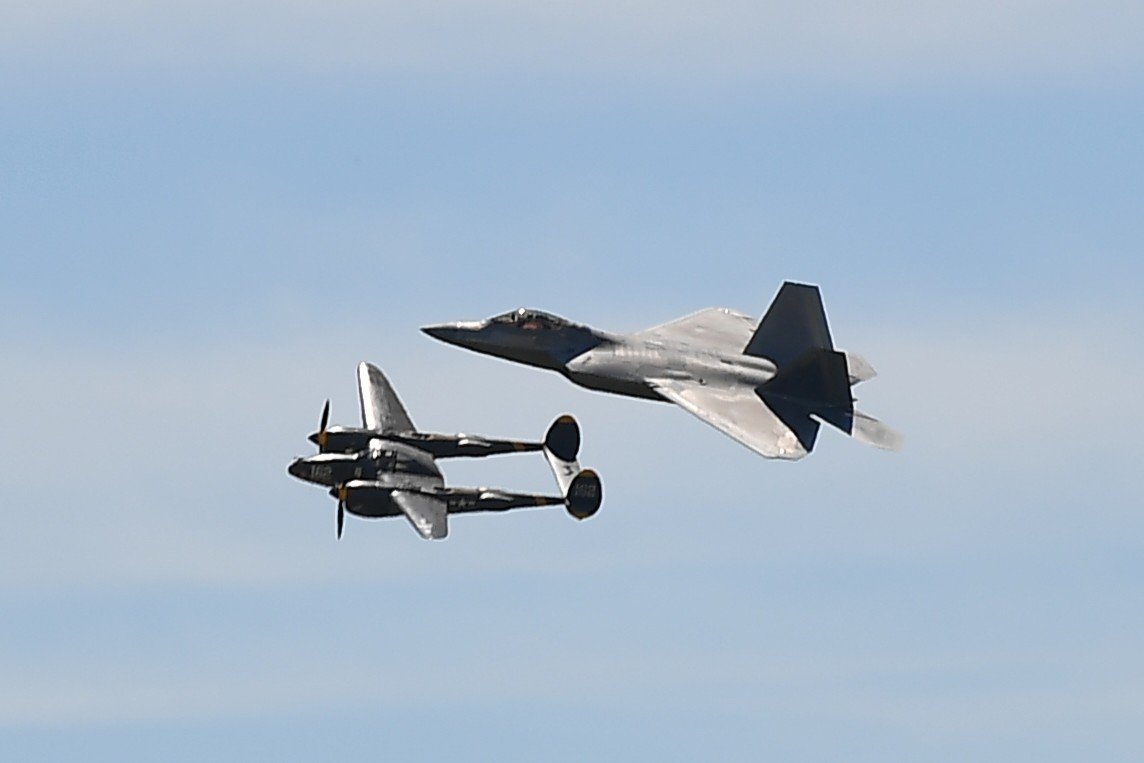
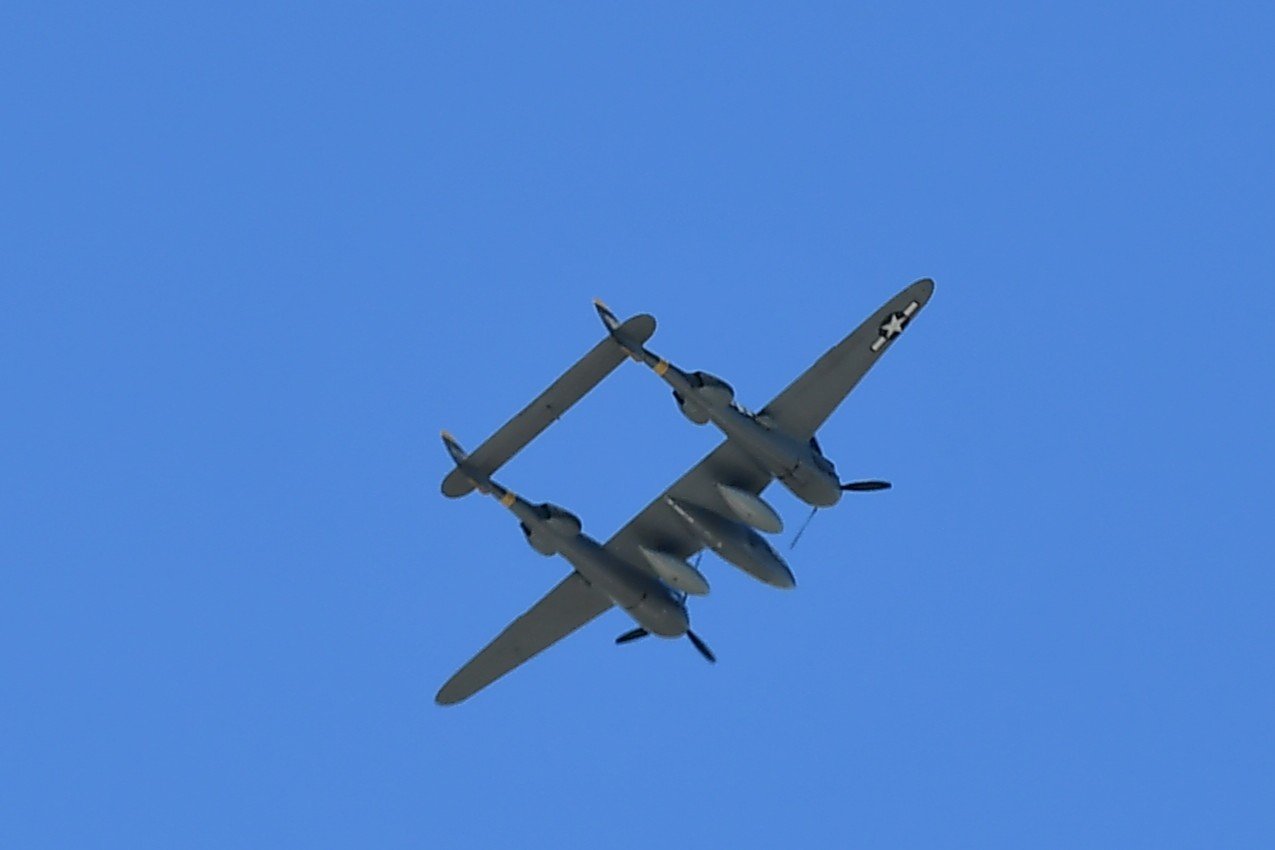
Blue Angels headlined last weekend’s CenterPoint Dayton Air Show
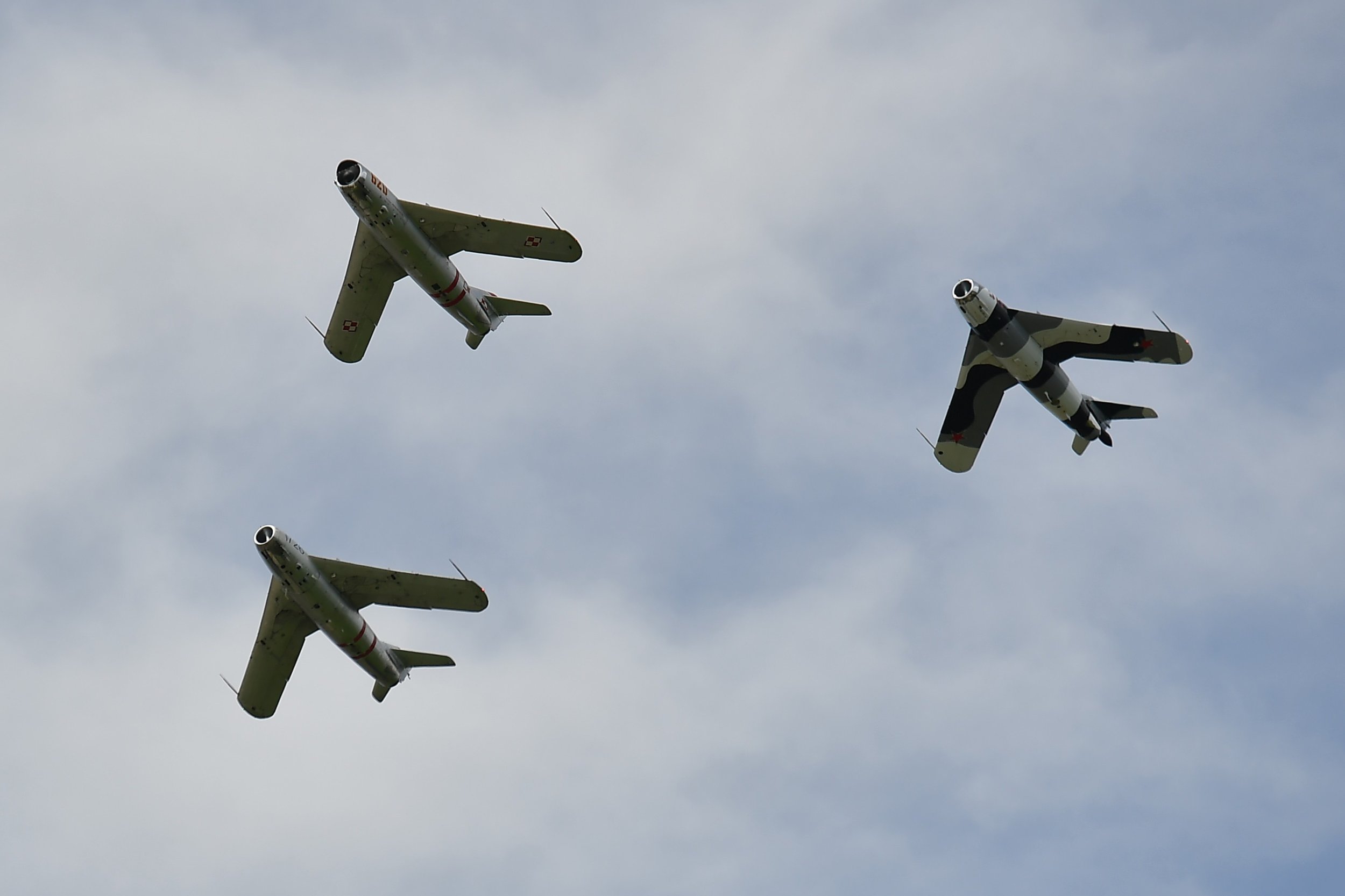
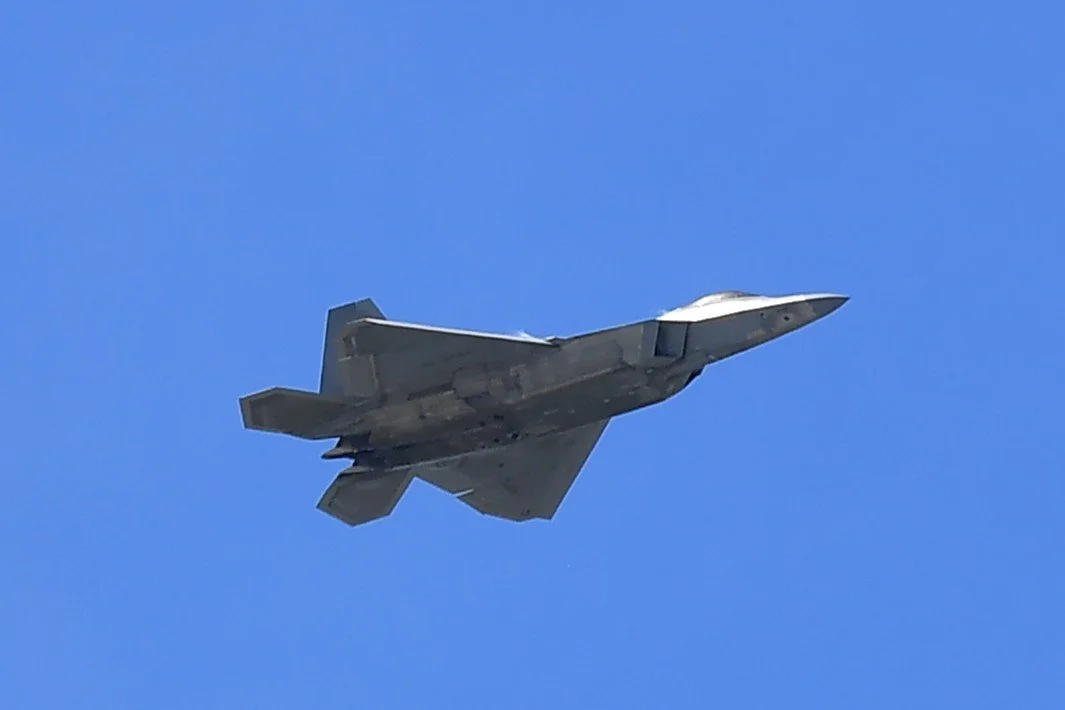
Perfect weekend weather greeted attendees of the CenterPoint Dayton Air Show. The Navy's In In the air, Blue Angels soared, dual F-22 Raptor Pratt & Whitney engines roaring loud enough to
trigger car alarms. A C-17 cargo plane performed maneuvers that seem impossible for a cargo plane to be so fat. On the ground, a Barksdale Air Force Base (Louisiana) B-52 served as a "static display" on the Dayton International Airport tarmac. Also on the ground were F-35s, an F-16, a C-5M Super Galaxy, a KC-135 Stratotanker and much more.
One show change for this year was the placement of large monitors across show grounds so that visitors can watch flights and hear radio traffic as they walk around.
HISTORY OF THE BLUE ANGELS
In 1946, the Chief of Naval Operations, Admiral Chester Nimitz, envisioned creating a flight exhibition team to raise public interest in naval aviation and boost Navy morale. In the 1940's, they thrilled audiences with their precision combat maneuvers in the F6 Hellcat, the F8 Bearcat, and the F9 Panther. During the 1950's, they refined their demonstration with aerobatic maneuvers in the F9 Cougar and F-11 Tiger and introduced the first six-plane delta formation, still flown to this day. By the end of the 1960's, they were flying the F-4 Phantom, the only two seat aircraft flown by the delta formation. In 1974, they transitioned to the A-4 Skyhawk, a smaller, lighter aircraft with a tighter turning radius, allowing for a more dynamic flight demonstration. In 1986, they celebrated their 40th Anniversary by unveiling the Boeing F/A-18 Hornet. In 2021, the Blue Angels transitioned to their current aircraft the Boeing F/A-18 Super Hornet and celebrated our 75th anniversary.
In 1949, it became necessary for the Blue Angels to operate a support aircraft to move personnel and equipment between show sites. These support aircraft included the Douglas R4D Sky Train, the Curtiss R5C Commando, the Douglas R5D Skymaster, and the Lockheed C-121 Super Constellation. In 1970, the team received the Lockheed Martin C-130, affectionately known as "Fat Albert." In 2020, "Fat Albert" transitioned to its current platform, the C-130J Super Hercules.
Interested in becoming a Site Sponsor? Your ad will run at the bottom of EVERY NEWS STORY. Click HERE for more details.