
Tipp of the Week-Watch for Wrong Way Drivers
Hello, Tipp City! Marc the Cop here,
This week's Tipp of the Week - Watch for Wrong-Way Drivers—And Don’t Become One
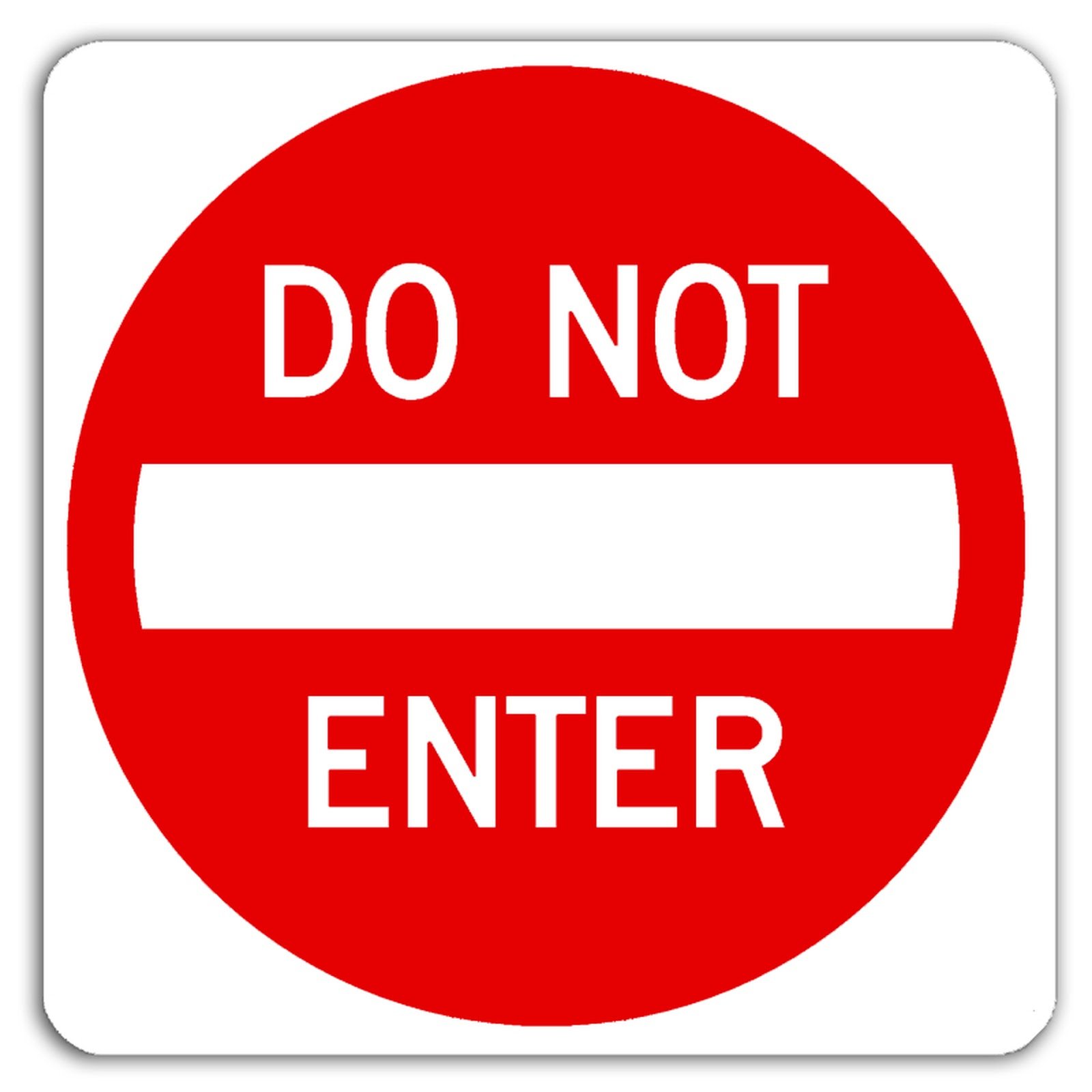
Wrong-way driving is one of the most dangerous situations on the road. Though rare compared to other traffic incidents, these crashes are far more likely to be fatal because they often involve high speeds and head-on collisions. Understanding how wrong-way driving happens—and how to prevent it—can save lives.
Most wrong-way driving incidents begin with simple confusion. Drivers may enter an exit ramp instead of an on-ramp, especially at night, during heavy rain, or in unfamiliar areas.
Alcohol or drug impairment is also a major factor, as is driver fatigue. Older drivers and very young drivers are statistically more likely to make these errors, often due to vision issues or inexperience with complex interchanges.
So how can drivers protect themselves?
First, stay alert—especially on divided highways. Wrong-way drivers are most often reported on interstates and multi-lane roads with ramps and medians. If you see headlights coming toward you in your lane, assume it’s a wrong-way driver. Slow down immediately, move to the right shoulder if possible, and put distance between you and the oncoming vehicle. Do not swerve suddenly unless you must; controlled movement saves lives.
Second, know the warning signs. Red “Do Not Enter” and “Wrong Way” signs are placed at exit ramps for a reason. Reflective markers and one-way arrows painted on the pavement are designed to guide drivers correctly. If you ever see these signs while driving forward, stop safely and turn around as soon as you can. It’s better to pull over and call for help than to continue in the wrong direction.
Third, avoid driving impaired or exhausted. Many wrong-way crashes involve alcohol or drugs, including prescription medications that cause drowsiness or confusion. Fatigue can be just as dangerous. If you feel disoriented, pull over. A short rest or a phone call for a ride is far safer than pushing through.
Fourth, slow down in unfamiliar areas. Confusing interchanges and construction zones increase the risk of wrong-way entry. Reduce speed, read signs carefully, and use GPS with visual guidance—not just voice prompts. If something doesn’t look right, it probably isn’t.
Communities and transportation agencies also play a role in prevention. New roadway designs include brighter reflective signs, arrows painted on ramps, and sensors that alert traffic centers when a vehicle enters a ramp the wrong way. Some areas even use flashing lights to warn both the wrong-way driver and oncoming traffic. These tools help, but they cannot replace attentive driving.
What should you do if you encounter a wrong-way driver? Call 911 immediately and report the location, direction of travel, and description of the vehicle if possible—without taking your eyes off the road. Keep your own vehicle visible, use hazard lights if needed, and get out of the path of danger.
Wrong-way driving is often a momentary mistake with lifelong consequences. By staying alert, sober, and cautious—especially at night and on highways—you reduce the risk for yourself and others. One correct turn can mean the difference between a close call and a tragedy.
That is all for this week! Please be safe and care for one another.
Don’t forget the 9 PM routine! The 9 P.M. Routine is a nightly reminder for residents to remove valuables from their vehicles, lock their vehicle doors, secure their residences, turn on exterior lights, and activate all alarms and security systems.
I'll see you in church on Sunday!
Sgt. Marc Basye (Ret.)
Do you have a suggestion for the Tip of the Week? Your input is valuable to us. You can email me at Marcthecop@tippgazette.com!
The opinions and statements in this column are those of the author, who is not affiliated with any law enforcement agency. This column is for entertainment purposes only. Persons referred to may be fictional for comedic purposes only.
Interested in becoming a Site Sponsor? Your ad will run at the bottom of EVERY NEWS STORY. Click HERE for more details.